Flat Wire Conveyor Belts: Proven Choice for Reliable, Hygienic Material Handling
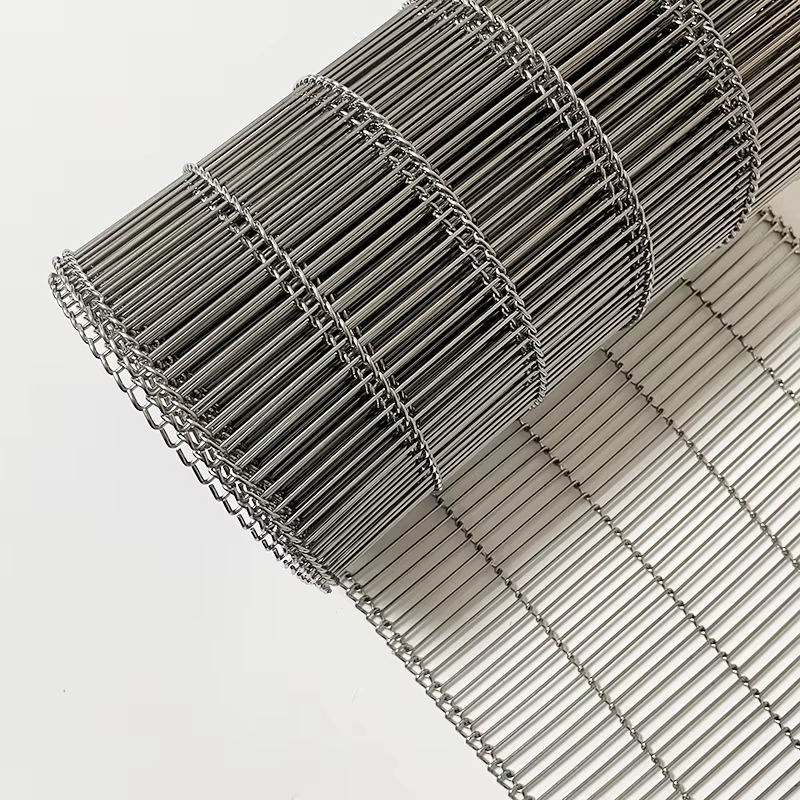
Flattened or Flat wire mesh belts are made of round wire that has been flattened to provide a flatter surface that creates a smooth carrying surface for small unstable parts.
Flat wire meh conveyor belts provide an open wire mesh for easy drainage and flow of air, gases or liquids through the belt and around the product. This enables easy belt cleaning. Flat wire is economical with a long life and smooth operation suitable for friction or sprocket drive.
Features include flat surface, easily cleanable, endless splicing, positive sprocket drive, easy to replace a section that is damaged or worn down, open for drainage and air circulation. They are used in some of the following applications: food processing, canning, baking, freezing, agricultural applications, farming, as well as Parts washing, drying, cleaning, painting, drying, and transferring; also used as matting and drag mats.
Flat wire conveyor belts deliver unmatched versatility in modern production lines. Engineers and plant managers rely on these open-mesh metal belts when they need excellent airflow, quick drainage, simple sanitation, and rugged durability. Whether you call them flat wire mesh conveyor belts, hinged steel belts, or flat flex-style mesh belts, they remain one of the most economical and longest-lasting straight-running conveyor solutions available.
From high-temperature baking ovens to freezing tunnels and parts-washing systems, flat wire conveyor belts keep products moving efficiently while meeting strict hygiene standards.
What Are Flat Wire Conveyor Belts?
Flat wire conveyor belts consist of flat steel strips (pickets) connected by straight cross rods. This design creates a flat conveying surface with large open areas—often up to 85% open mesh. The hinged construction allows the belt to flex smoothly around small-diameter sprockets and pulleys while maintaining excellent product support.
Unlike woven wire belts or plastic modular belts, flat wire belts combine the strength of steel with the openness needed for free airflow and water drainage. Manufacturers produce them in standard duty and heavy-duty configurations with clinched or welded selvage edges for added stability.
How Flat Wire Mesh Belts Work
Cross rods pass through precisely punched holes in the flat strips, forming a hinge that lets the belt articulate. Drive sprockets engage the rods or pickets to pull the belt forward. The open structure permits hot air, cold air, water, or coatings to flow directly through the belt and around the product.
Key Benefits of Flat Wire Conveyor Belts
Plant operators choose flat wire conveyor belts for several performance advantages that directly impact throughput, sanitation, and operating costs.
Superior Airflow, Drainage, and Heat Transfer
The large open mesh maximizes airflow for cooling, drying, and heating applications. Products cool or freeze faster, and spray systems reach every surface without deflection.
Easy Cleaning and USDA-Accepted Sanitation
Food-grade stainless steel versions clean in place (CIP). The flat surface and open design eliminate hidden crevices where bacteria can hide, making these belts ideal for wash-down environments.
Exceptional Durability and Long Service Life
Precision manufacturing to tight tolerances reduces wear. Many plants report 5–10+ years of service when properly specified and maintained.
Versatile Product Handling
Flat wire belts handle everything from delicate pastries to heavy metal parts. Optional pin-up attachments lift products to prevent marking, while beveled edges ease transfers.
Cost-Effective Straight-Running Performance
These belts run straight without tracking issues common to fabric or plastic belts. They require minimal tension and deliver lower lifetime ownership costs than many alternatives.
Industries and Applications That Rely on Flat Wire Conveyor Belts
Food processors, manufacturers, and heavy industry operators trust flat wire mesh belts daily.
Food Processing and Bakery Applications
- Cooling and freezing tunnels
- Baking ovens and proofers
- Vegetable washing and blanching lines
- Meat and poultry conveying
- Chocolate enrobing and coating
Industrial and High-Temperature Uses
- Heat treating and annealing furnaces
- Parts washing and degreasing systems
- Glass and ceramic decorating lines
- Automotive and metal stamping operations
Packaging and Material Handling
- Can and bottle transfer lines
- Freezer-to-oven ready-meal systems
- High-speed sorting and accumulation
Types of Flat Wire Conveyor Belts
Not all metal mesh belts perform the same. Understanding the main variations helps match the right belt to your process.
Standard-Duty vs Heavy-Duty Flat Wire Belts
Standard-duty belts (typically ½” × 1″ or 1″ × 1″ mesh) suit light-to-medium loads and most food applications. Heavy-duty versions use thicker strips and rods for heavier products or longer conveyor runs.
Clinched Selvage vs Welded Selvage
Clinched selvage wraps the edge rods for maximum flexibility and strength. Welded selvage provides a smoother, more rigid edge often preferred for very wide belts or high-tension applications.
Flat-Flex and Specialized Variants
Flat-Flex belts feature a unique looped-wire design with even larger open area and smaller transfer radii. Other options include PacLite, PacTitan, and custom picket shapes for specific product needs.
Custom Configuration
- Variable mesh openings
- Side guards and flights
- Pin-up attachments
- Non-stick coatings
- High-temperature alloys
Materials Used in Flat Wire Conveyor Belts
Material choice determines temperature range, corrosion resistance, and food safety.
- Stainless Steel (302, 304, 316L): Most popular for food-grade and corrosive environments. 316L offers superior resistance to chlorides and sanitizers.
- High-Carbon Steel: Economical for dry, non-corrosive industrial use.
- Galvanized Steel: Added rust protection for moderate-moisture applications.
- Specialty Alloys: For extreme heat (up to 370°C+) or cryogenic conditions.
How to Choose the Right Flat Wire Conveyor Belt
Selecting the perfect belt requires evaluating several key factors.
Critical Selection Criteria
- Product size, weight, and shape
- Operating temperature range
- Required airflow or drainage
- Belt width and length
- Sprocket and pulley diameters
- Sanitation and regulatory requirements
- Expected throughput and duty cycle
Flat Wire Conveyor Belts vs Other Conveyor Belt Types
| Feature | Flat Wire Mesh Belts | Plastic Modular Belts | Fabric/PVC Belts |
|---|---|---|---|
| Airflow/Drainage | Excellent | Good | Poor |
| Temperature Range | -50°C to +370°C+ | Limited | Moderate |
| Cleanability | Superior (CIP) | Good | Variable |
| Load Capacity | High | Medium | Light to medium |
| Lifespan in Harsh Use | Longest | Medium | Shorter |
| Cost per Year of Service | Lowest | Medium | Higher |
Ready to Upgrade your Conveyor System?
Flat wire conveyor belts continue to set the standard for reliability, hygiene, and efficiency across thousands of installations worldwide.
Get A Custom Flat Wire Belt Quote Today!