Slat Chain Conveyor Belts

Slat Chain Conveyor Belts: Heavy-Duty Material Handling Solution

High-Capacity Slat Chain Conveyor Belts for Stable Transport

In today’s fast-paced industrial landscape, efficient and reliable material movement is non-negotiable. Slat chain conveyor belts—also known as slat conveyors, chain slat conveyors, or modular slat belt systems—stand out as one of the most robust solutions for transporting heavy, irregular, hot, oily, or abrasive items that standard belt or roller conveyors simply can’t handle. Whether you’re running an assembly line, packaging plant, or heavy manufacturing unit, these systems deliver unmatched stability and longevity.

This comprehensive guide covers everything decision-makers search for: how slat chain conveyors work, their key advantages, different types, real-world applications, maintenance best practices. If you’re comparing options or ready to invest, you’ll find clear, actionable insights here.

What Are Slat Chain Conveyor Belts?

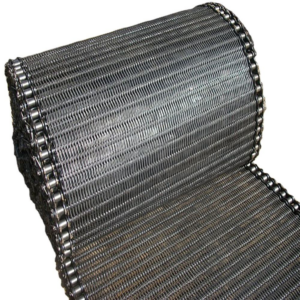
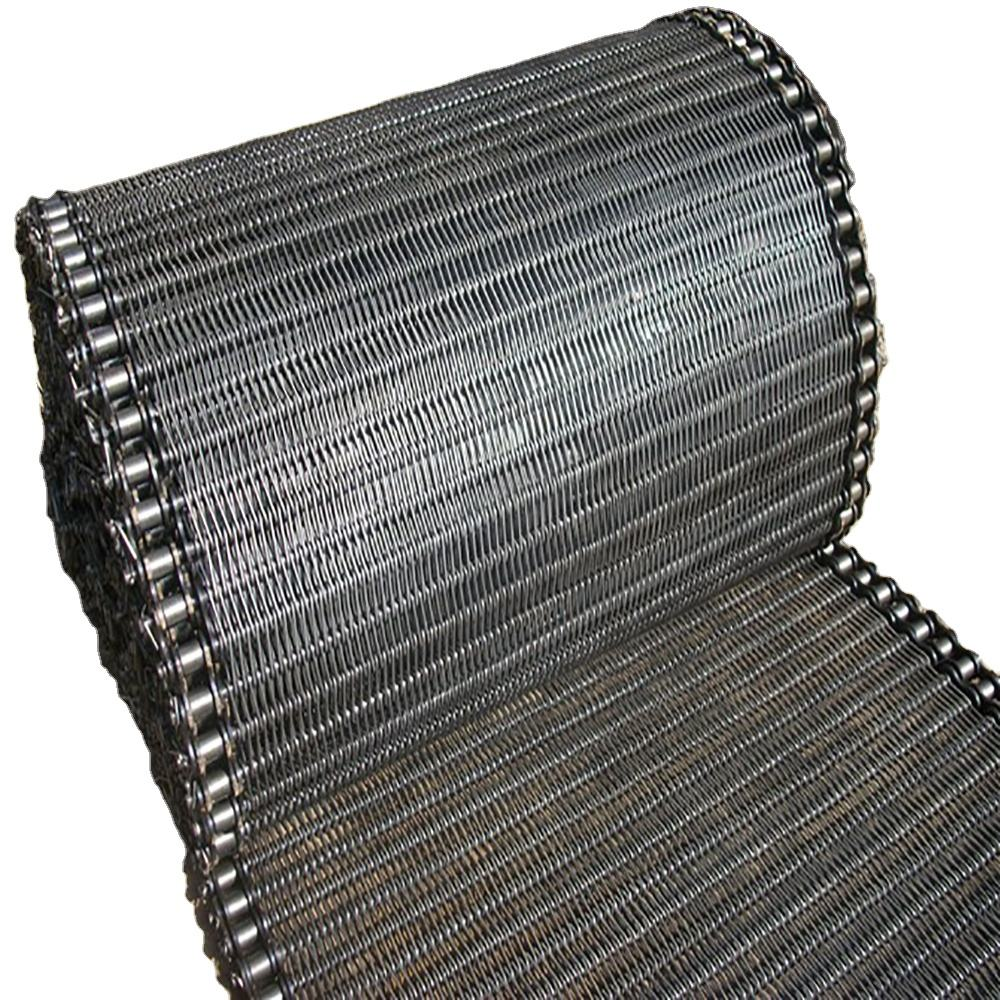
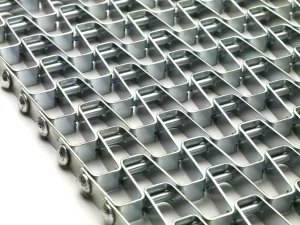
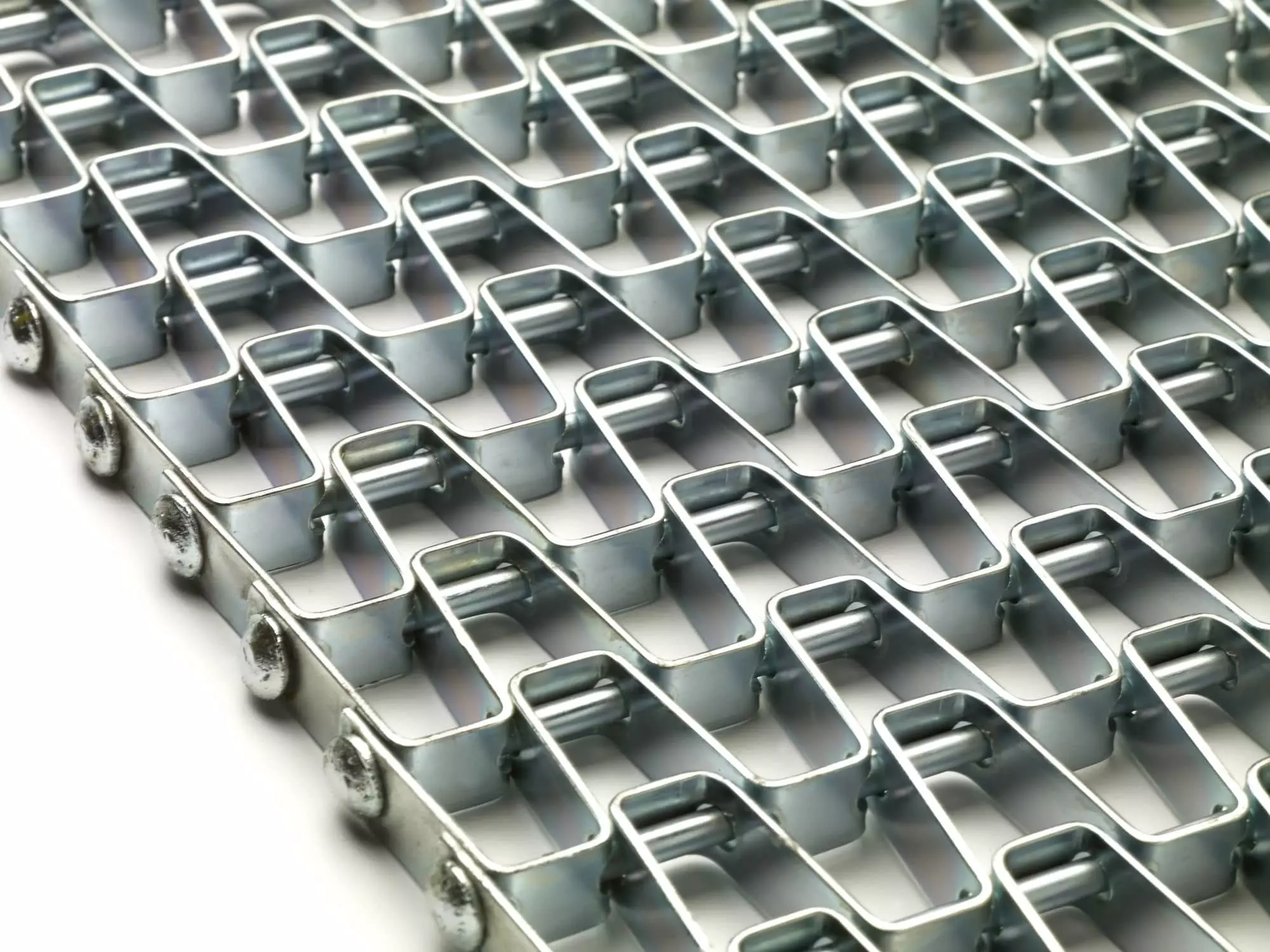
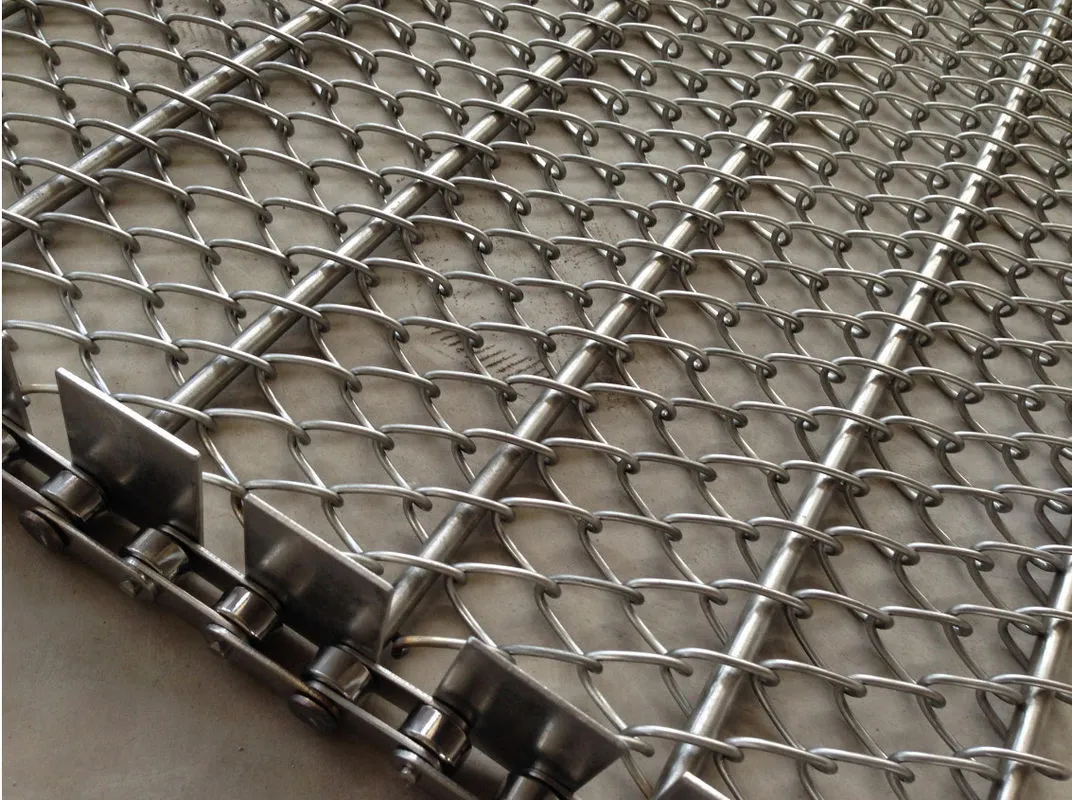
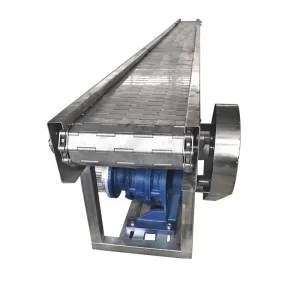
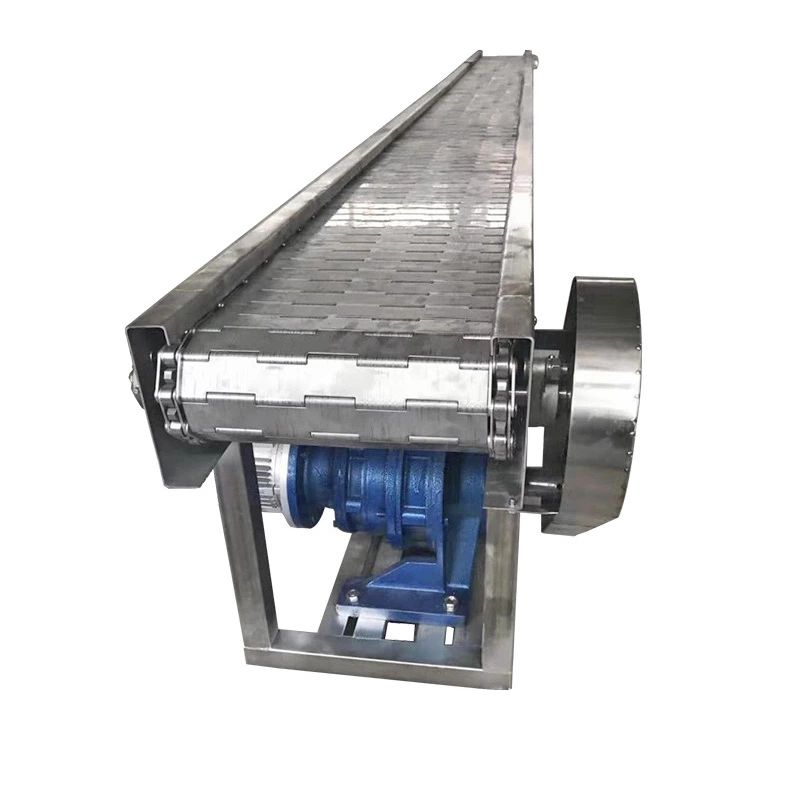
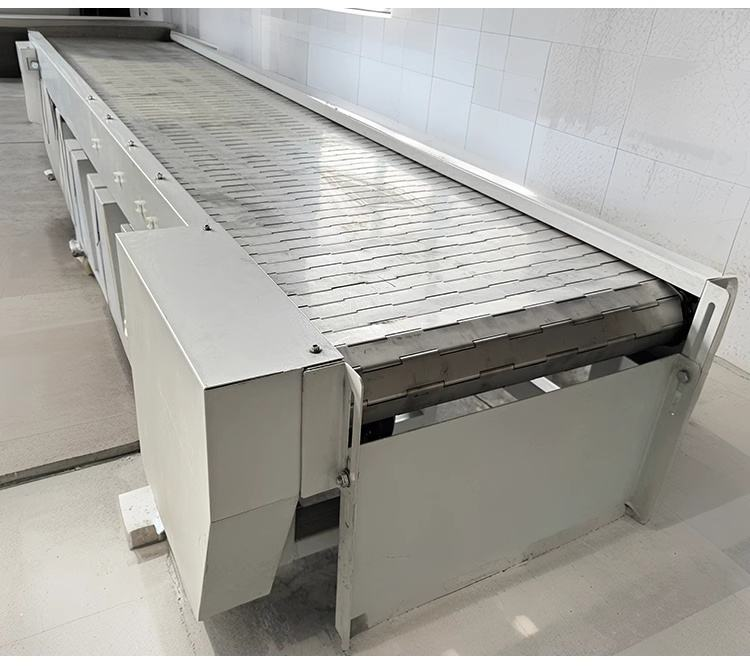
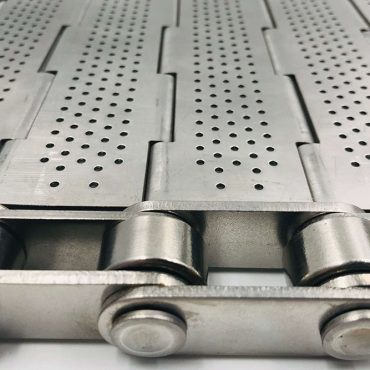
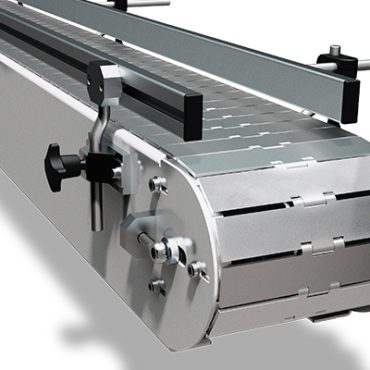
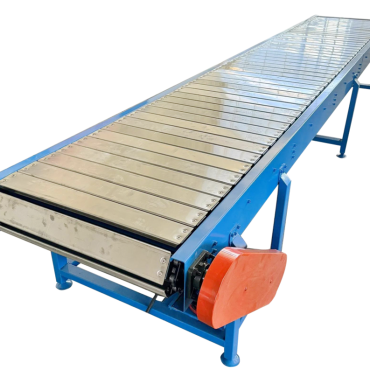
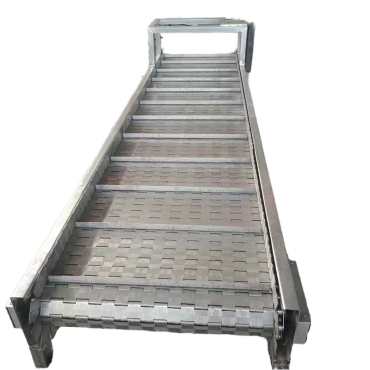
Slat chain conveyor belts consist of flat, rigid slats (plates) made from steel, stainless steel, or high-strength plastic, securely attached to a continuous chain drive. Unlike flexible rubber belts, these slats create a solid, moving platform that supports heavy loads without sagging or slipping. Variations in Slat belt conveyor belts known as slat belt conveyor, chain-driven slat conveyor, table-top slat chain, or heavy-duty slat conveyor system. The design resembles vehicle tank tracks—durable, precise, and built for tough conditions.
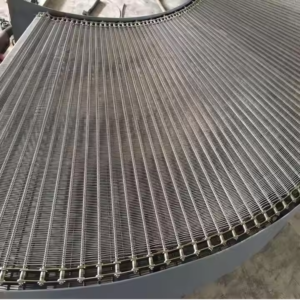
These systems excel where traditional conveyors fail: handling sharp-edged parts, hot forgings, oily components, or items with irregular bottoms.

How Do Slat Chain Conveyor Belts Work?

The working principle is straightforward yet highly effective. A motor and gearbox drive sprockets that engage the conveyor chain. As the chain moves in a continuous loop, the attached slats glide forward, carrying products along a fixed path.


Key components include:
Slats – The load-bearing surface
Conveyor chains – Usually roller or engineered chains
Drive & idler sprockets – For smooth power transmission
Frame & guide rails – For structural support and alignment
Optional features – Side guards, drip pans, or accumulation zones

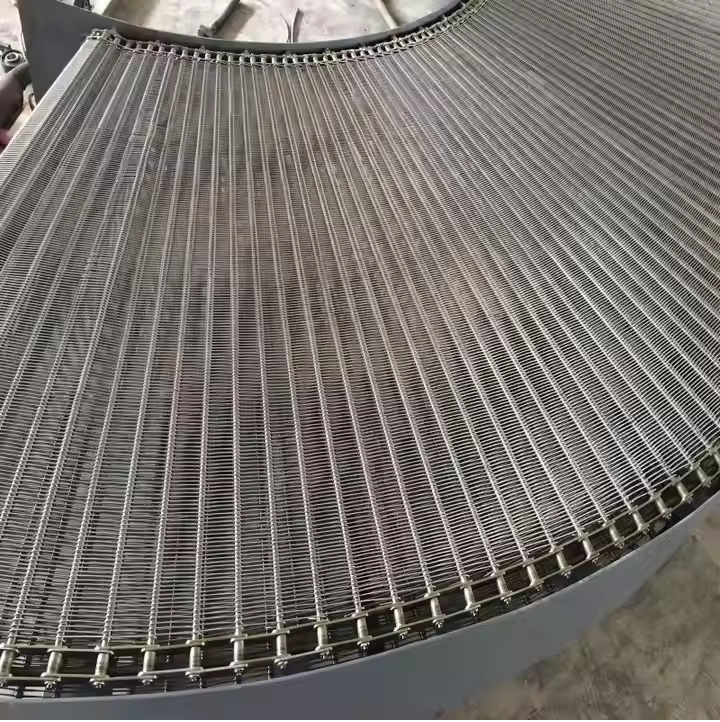
Most slat chain conveyors operate horizontally at controlled speeds, making them ideal for assembly, inspection, or accumulation tasks. Advanced models now include side-flexing chains for curved layouts and multi-level systems.

Key Benefits of Slat Chain Conveyors Over Traditional Systems

  • Superior load capacity and stability – Handles heavy or bulky items without deformation
  • Durability in harsh environments – Withstands high temperatures, oils, abrasives, and moisture
  • Precise product control – Items stay exactly positioned for robotic picking or assembly
  • Low maintenance and long service life – Rigid design reduces wear compared to flexible belts
  • Easy cleaning and hygiene – Especially stainless steel or plastic variants for food/pharma use
  • Customization flexibility – Widths, lengths, materials, and curves tailored to your layout

Compared to roller conveyors, slat systems prevent small parts from falling through gaps. Compared to standard belts, they eliminate tracking issues and belt stretching.

Types of Slat Chain Conveyor Belts

Manufacturers offers a wide range to match every need:

Steel vs Plastic Slat Chains

  • Steel slat conveyors – Heavy-duty MS or stainless steel for foundries, automotive, and hot material handling
  • Plastic (modular) slat chains – Lightweight, low-noise, and corrosion-resistant for food, beverage, and packaging lines

Straight-Running vs Side-Flexing Designs

  • Straight models for linear transport
  • Radius/side-flexing chains for compact curves and 3D layouts

Heavy-Duty vs Light-Duty Options

  • Heavy-duty: 300–1000+ kg per meter capacity
  • Light-duty/table-top: For bottles, cans, and smaller assemblies

Common Applications Across Industries

Slat chain conveyor belts power operations in:

  • Automotive assembly lines (engine blocks, chassis parts)
  • Food & beverage (bottling, canning, crate handling)
  • Packaging and palletizing stations
  • Pharmaceutical manufacturing
  • Warehousing and logistics
  • Foundries and metal fabrication
  • Appliance and electronics assembly

Materials Used in Premium Slat Chain Conveyor Belts

Quality starts with materials:

  • Slats: Mild steel (powder-coated), stainless steel 304/316, or food-grade  engineering plastic
  • Chains: Precision roller chains or low-back-pressure (LBP) designs
  • Frames: MS, SS, or aluminum for corrosion resistance

Choosing the right material ensures your system lasts 10+ years with minimal downtime.

How to Choose the Right Slat Chain Conveyor System

  • Load weight and product dimensions
  • Operating environment (temperature, moisture, chemicals)
  • Required speed and layout (straight, curved, inclined)
  • Budget and future expansion needs
Slat Chain conveyor belts manufacturers
Slat Conveyor Chain Belts
Slat Plate Double Chain Belts
Heavy-Duty Stainless Steel Slat Chain Conveyor Belts

Ready to Upgrade your material handling?

Explore premium slat chain conveyor belts for reliable material handling. Get custom heavy-duty slat conveyors from trusted suppliers.

Get Instant Quote For Slat Chain Conveyor Belts
You May Also Like:

FAQs - Slat Conveyor Belts

A slat chain conveyor belt uses rigid slats mounted on chains instead of a flexible belt, providing a stable platform for heavy, irregular, or hot items that would damage or slip on traditional belts.

A motor drives sprockets that pull the chain loop, moving the attached slats forward in a continuous, flat surface.

Automotive, food & beverage, packaging, pharmaceuticals, foundries, and warehousing rely on them for reliable heavy-duty transport.

They offer higher load capacity, better stability, durability in harsh conditions, precise positioning, and easier maintenance.

Yes—modern side-flexing plastic chains allow smooth curves, while certain designs support gentle inclines.