- All
- Gallery Filter
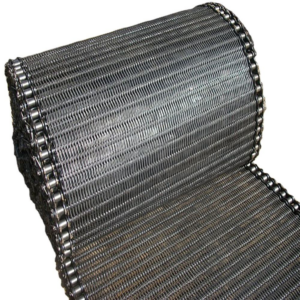
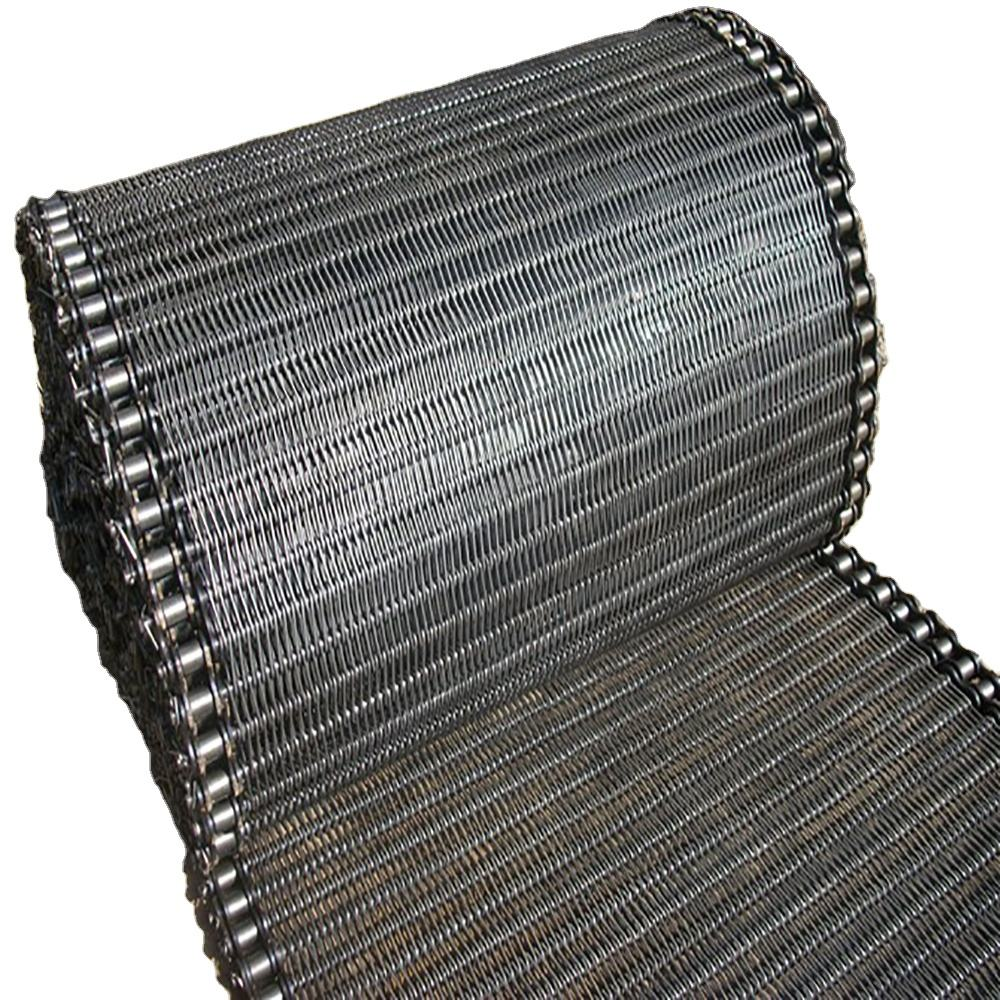
Balanced Weave Conveyor Belts
Balanced weave conveyor belts are the most reliable and versatile metal conveyor belts used across industries for their perfect 1:1 warp-to-weft ratio
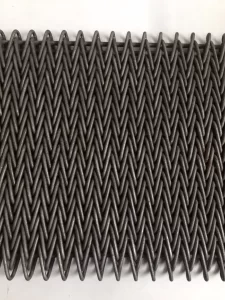
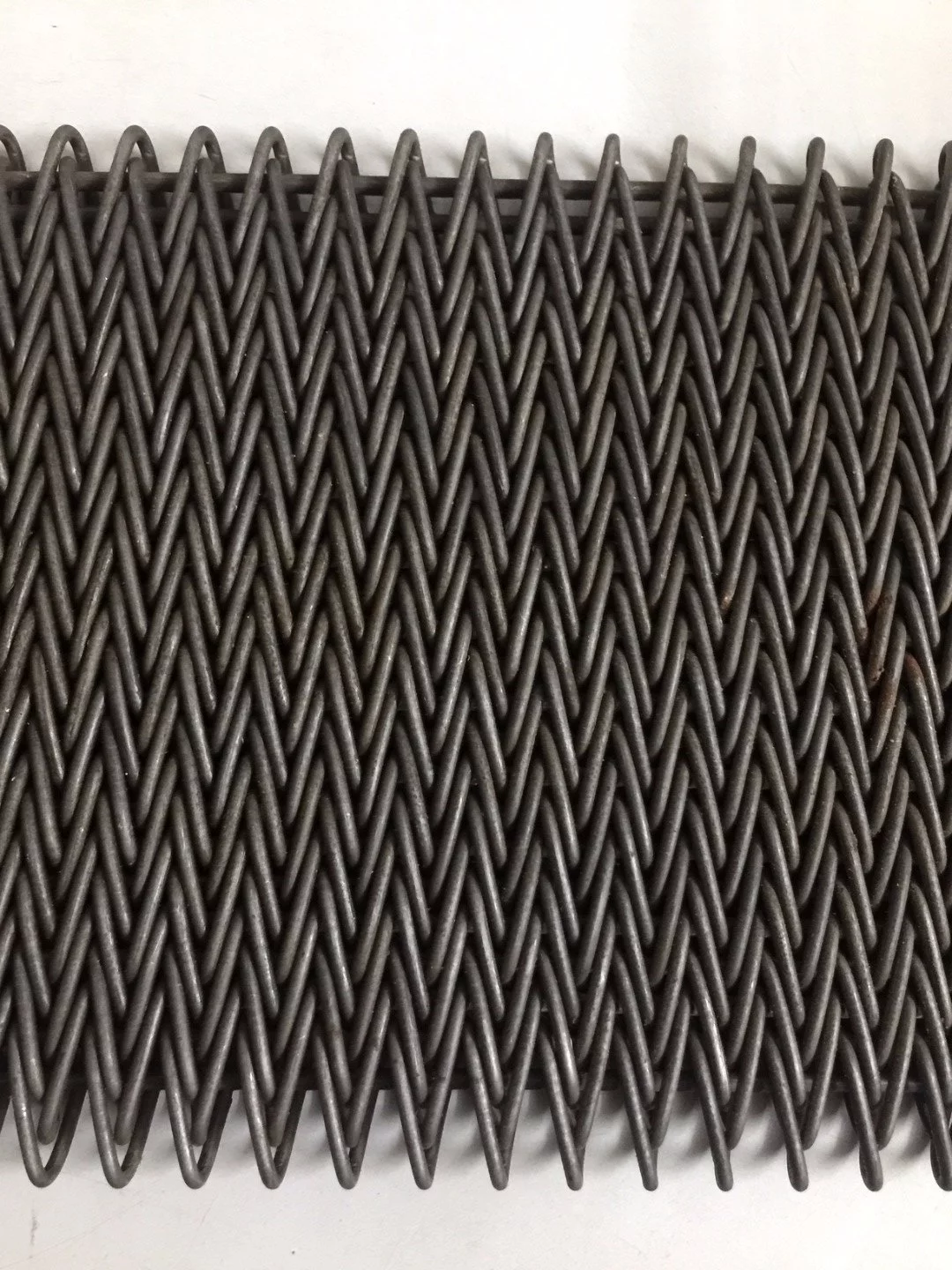
Compound Balanced Weave Conveyor Belts
Compound Balanced Weave Conveyor Belts, often referred to in the industry as Cordweave or CB series belts, represent the pinnacle of high-density


Honeycomb Conveyor Belts
A Honeycomb Belt is a flat wire conveyor belt featuring a continuous series of welded cross rods with strip plates, forming an open mesh pattern that resembles a honeycomb. These belts are highly durable, flexible
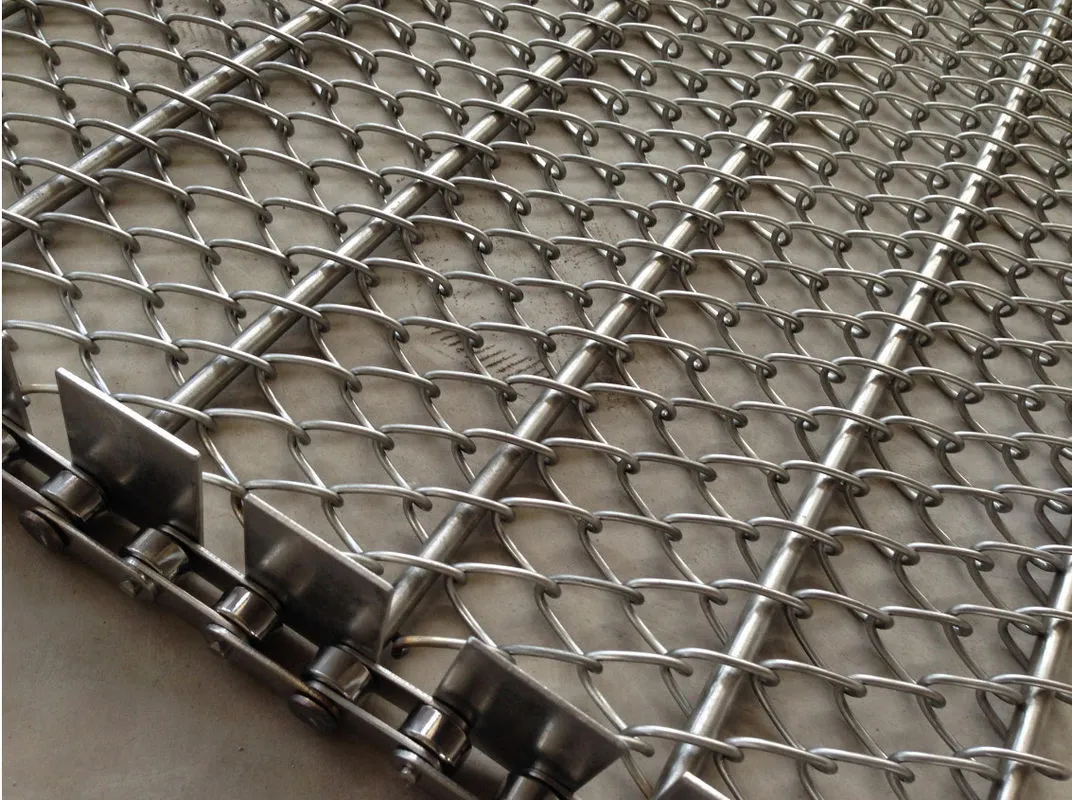
Chain Link Wire Mesh Conveyor Belts
Chain Link Wire Mesh Conveyor Belts are frequently used for chain drive belting and also used for guards on machinery as well as protective barriers. The mesh of this belts
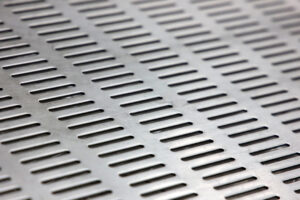
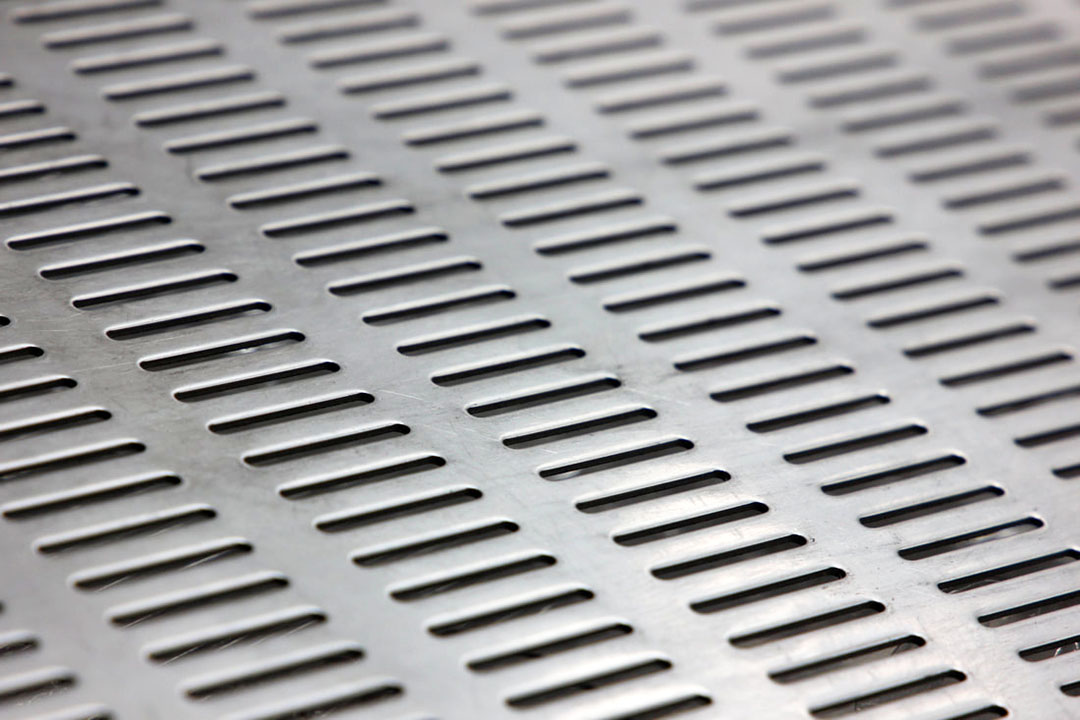
Perforated Metal Sheets
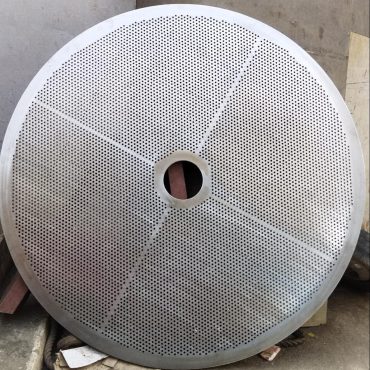
Perforated Metal Decorative Sheets combine architectural finesse with industrial strength—delivering both style and substance.
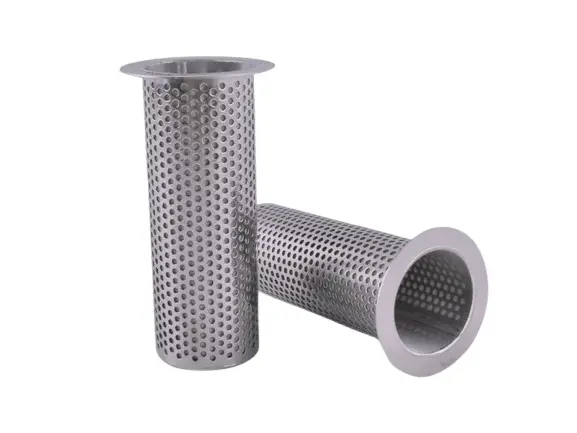
Perforated Strainers
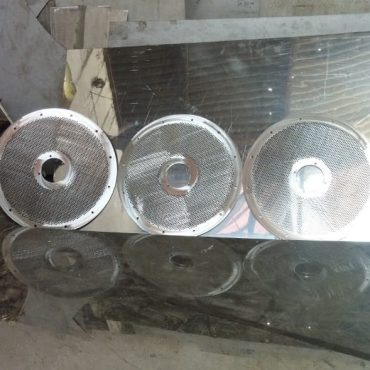
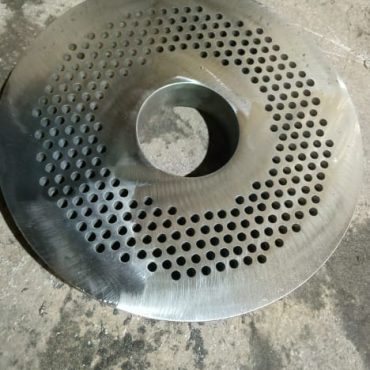
A perforated strainer is essentially a component, often made from perforated metal plate or mesh, designed to remove larger solid particles or debris
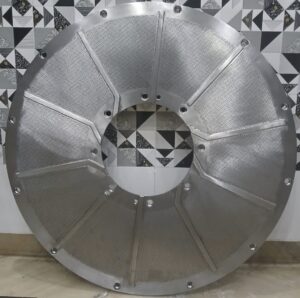
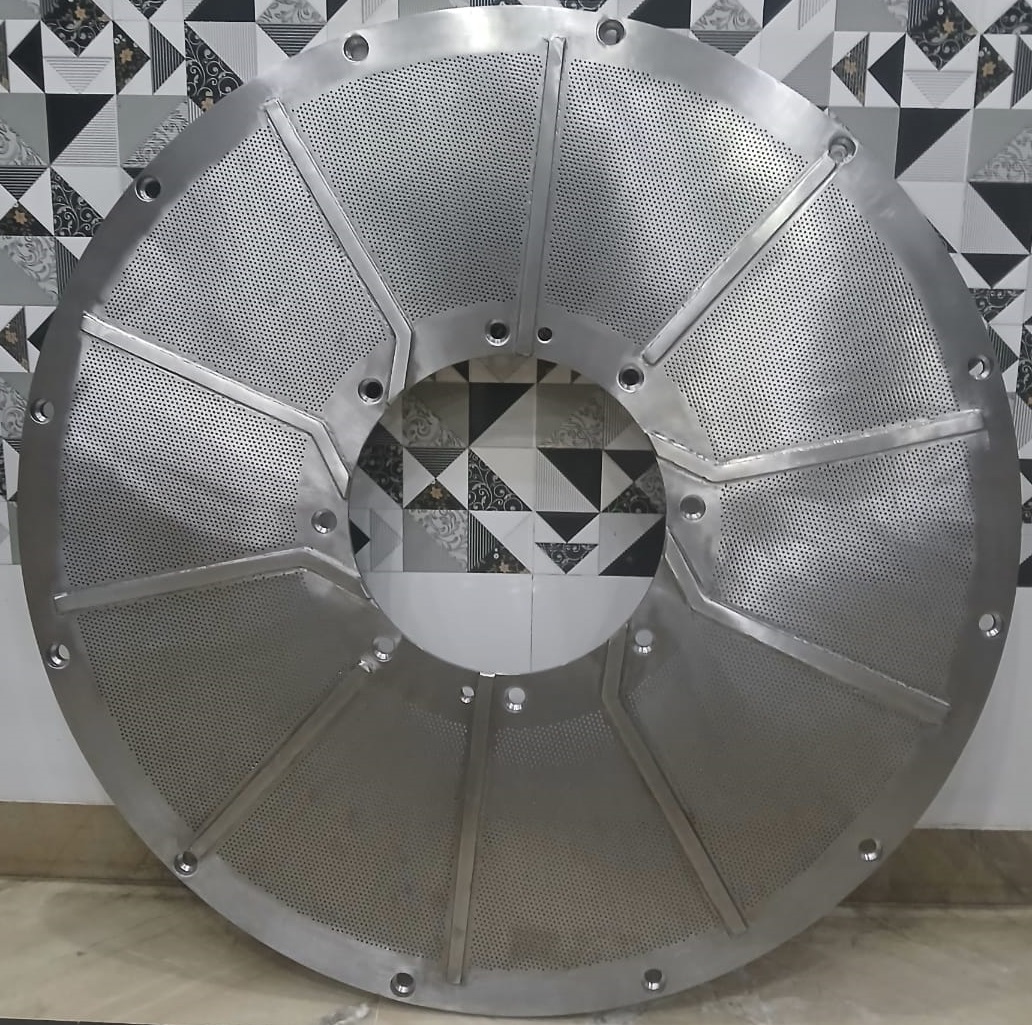
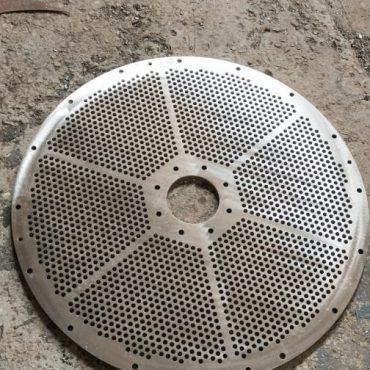
Perforated Filter Discs
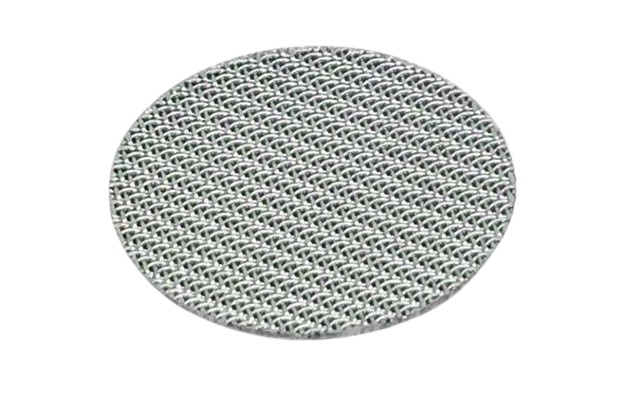
Perforated filter discs are metal filter elements produced by precision perforation or stamping of metal sheets, then finished and formed to meet application-specific
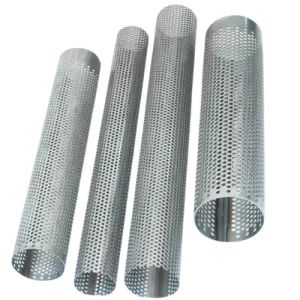
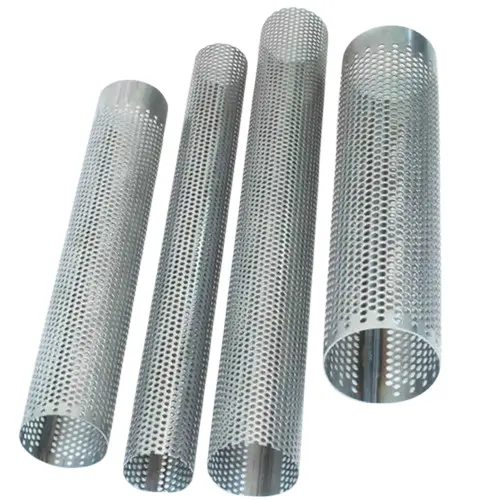
Perforated Sleeve
A perforated sleeve, often made from durable plastic or nylon, is essentially a tubular insert with multiple small holes along its length. These holes allow
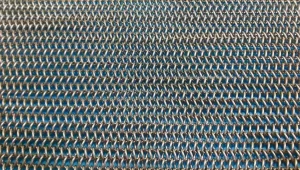
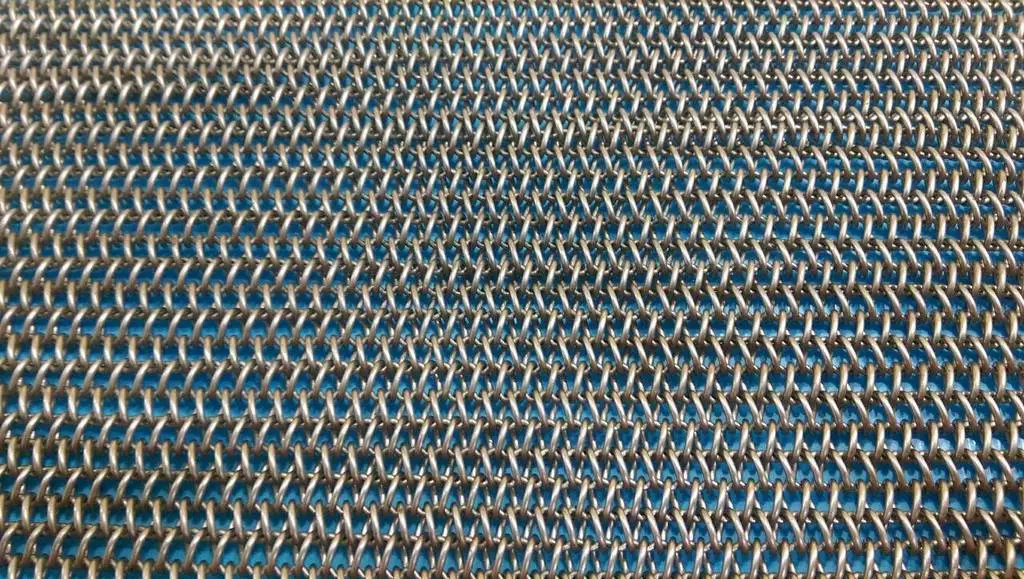
Rod Reinforced Conveyor Belts
Rod reinforced conveyor belts stand out as one of the toughest wire mesh solutions available today. Built specifically for operations
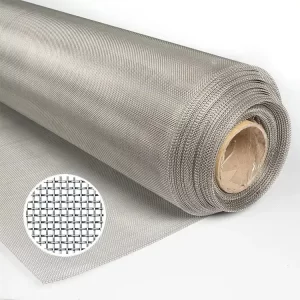
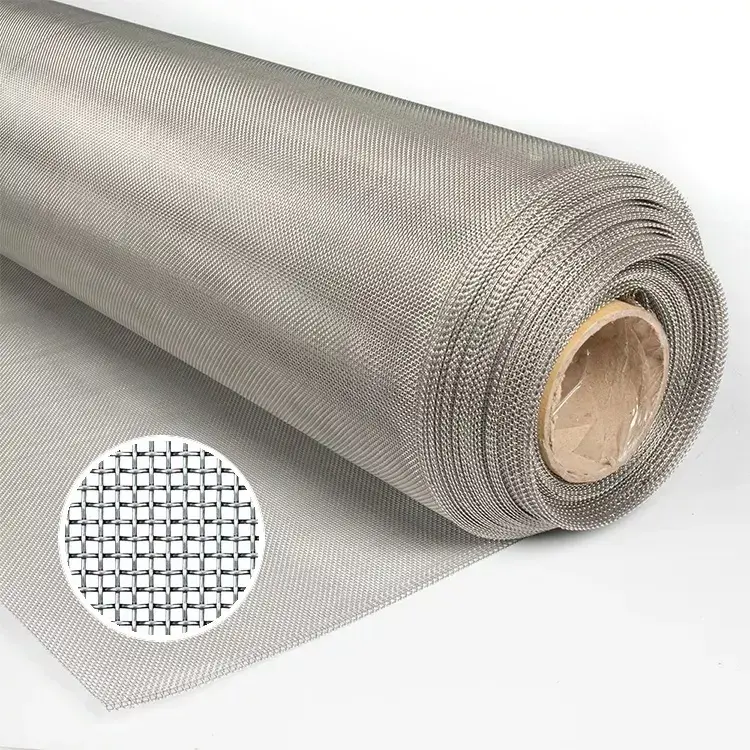
Woven Wire Mesh
Woven wire mesh is a versatile metal fabric created by interlacing high-tensile wires in a precise over-under pattern on industrial looms — exactly like weaving cloth,
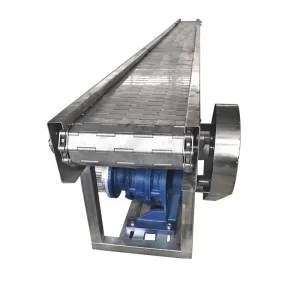
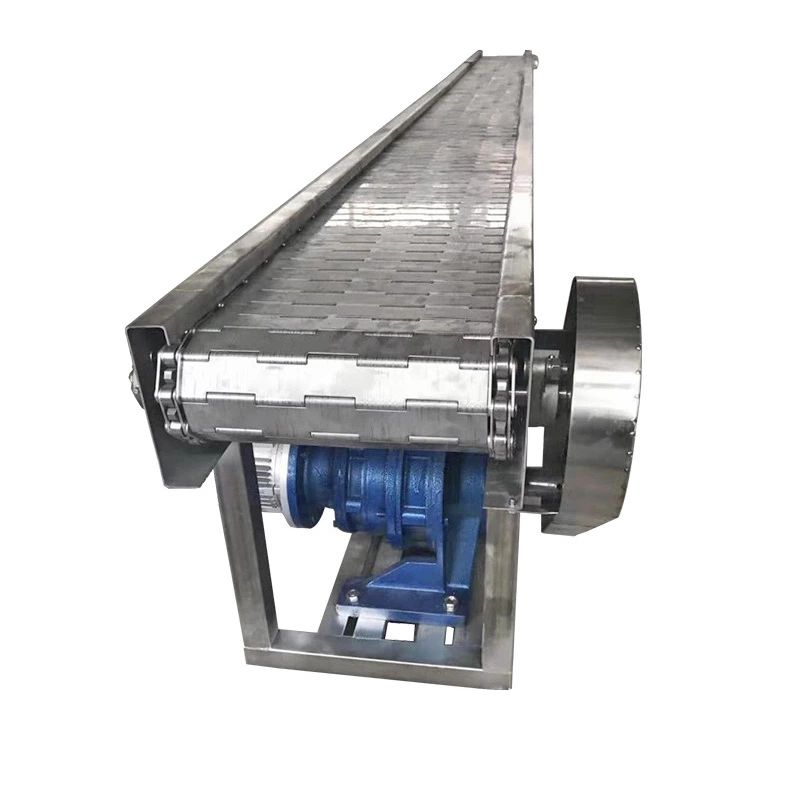
Slat Chain Conveyor Belts
Slat chain Conveyor Belts consist of flat, rigid slats (plates) made from steel, stainless steel, or high-strength plastic, securely attached to a continuous
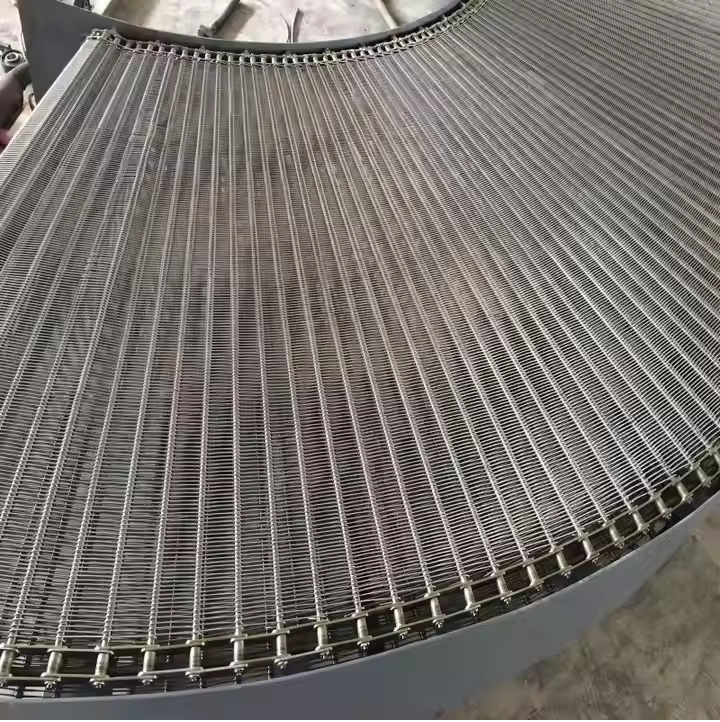
Eyelink Conveyor Belts
Eyelink Conveyor Belts are modular metal belts constructed from individual calibrated wire elements shaped like eyes (hence the name “eyelink” or “eye link”).