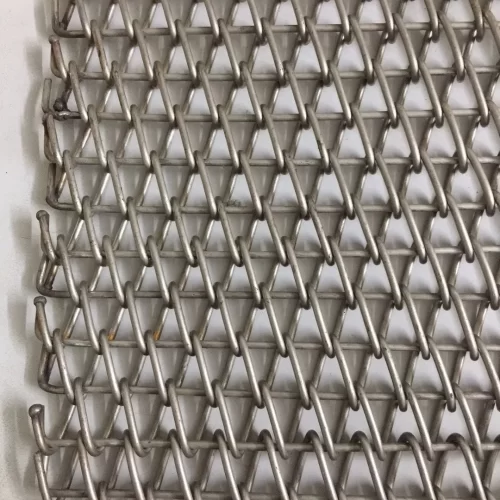
Balanced Weave Conveyor Belts

Balanced Weave Conveyor Belts - High-Performance Wire Mesh Solutions

Balanced Weave Belts
304 316 Balanced Weave Mesh Conveyor Belt High Temperature Furnace

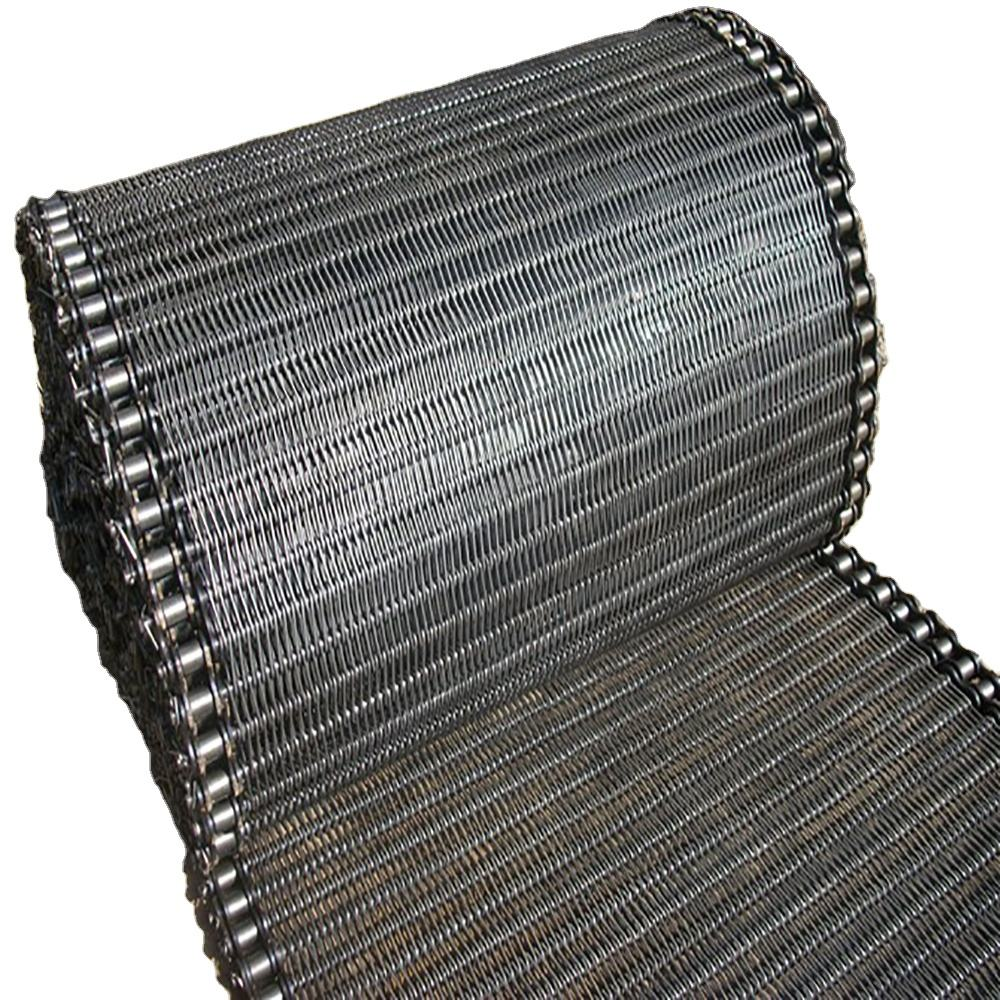
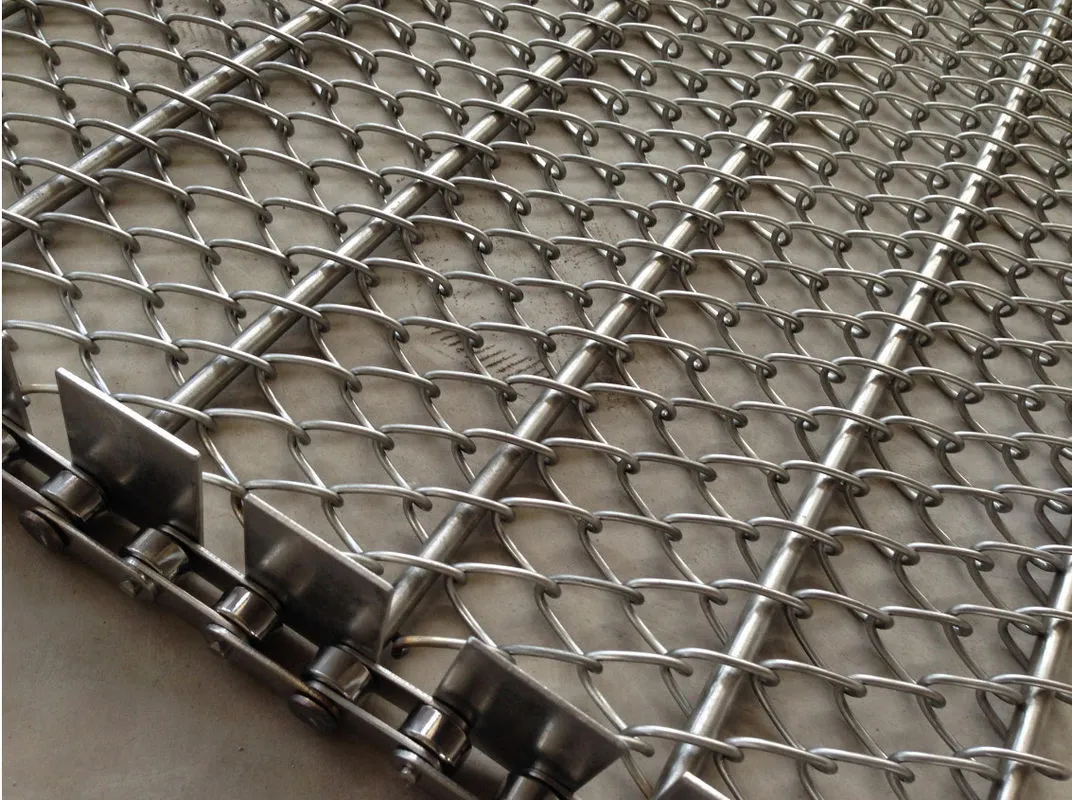
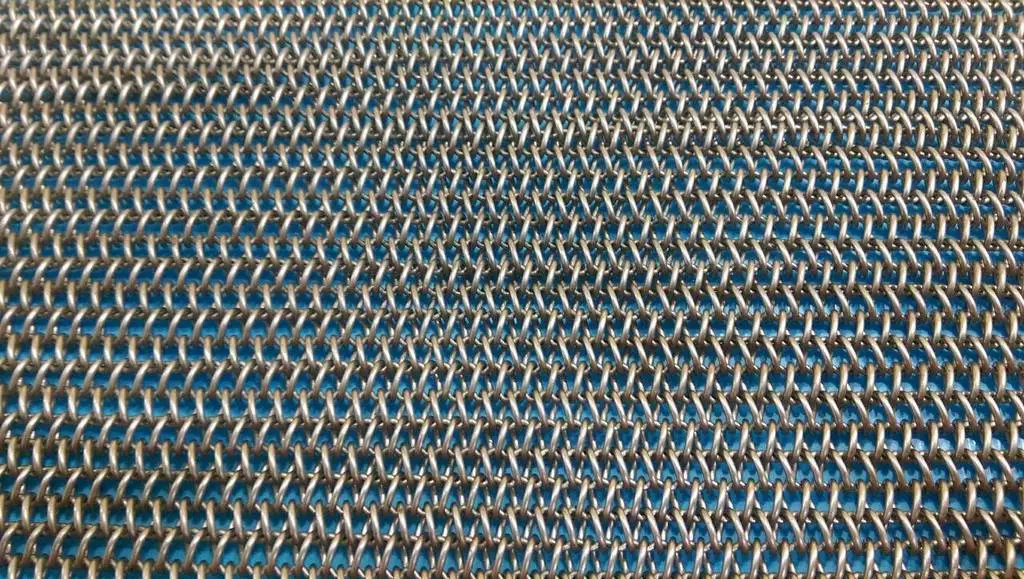
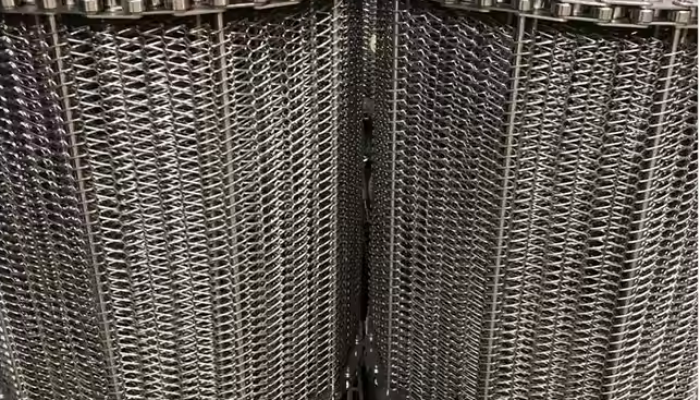
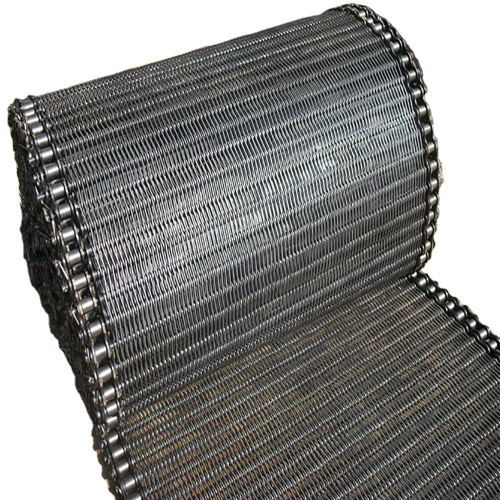
Balanced weave conveyor belts are the most reliable and versatile metal conveyor belts used across industries for their perfect 1:1 warp-to-weft ratio, offering exceptional strength, stability, and tracking. Designed with alternating left and right-hand spirals connected by straight rods, these balanced weave conveyor belts deliver superior performance in high-temperature applications, food processing, glass manufacturing, and heavy-duty industrial conveying where precision tracking and long service life are critical.

At Engineerswiremesh, we specialize in the design and manufacture of premium balanced weave conveyor belts, engineered to deliver superior straight-running performance, high load capacity and exceptional durability under extreme conditions. Ideal for demanding industries worldwide, these belts set a benchmark in wire-mesh conveying systems.

What is a Balanced Weave Conveyor Belt?

🛠️ Design & Construction

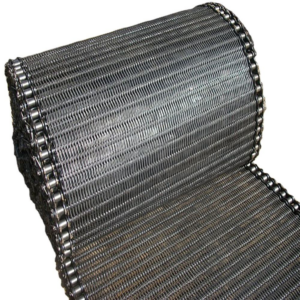
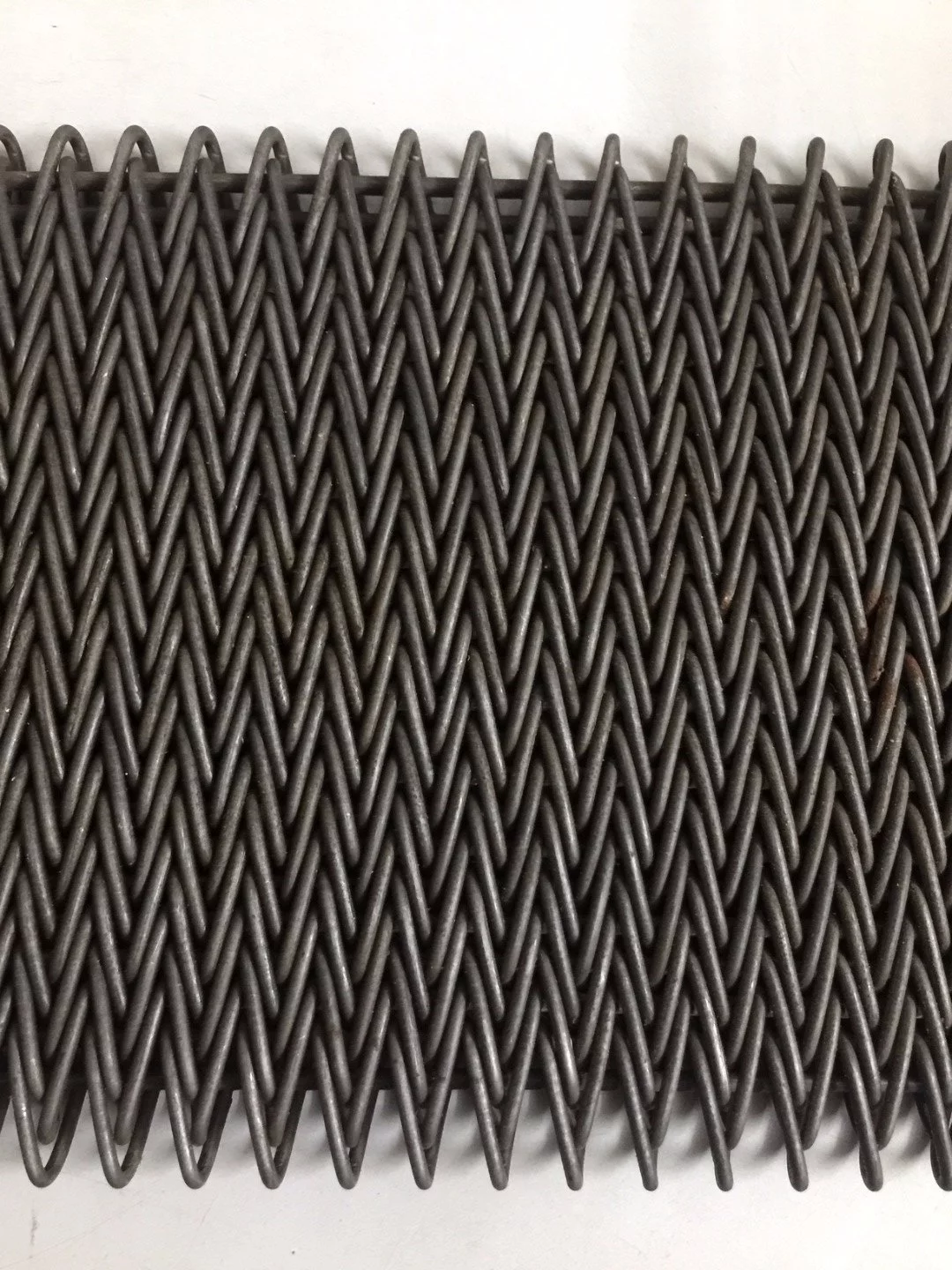
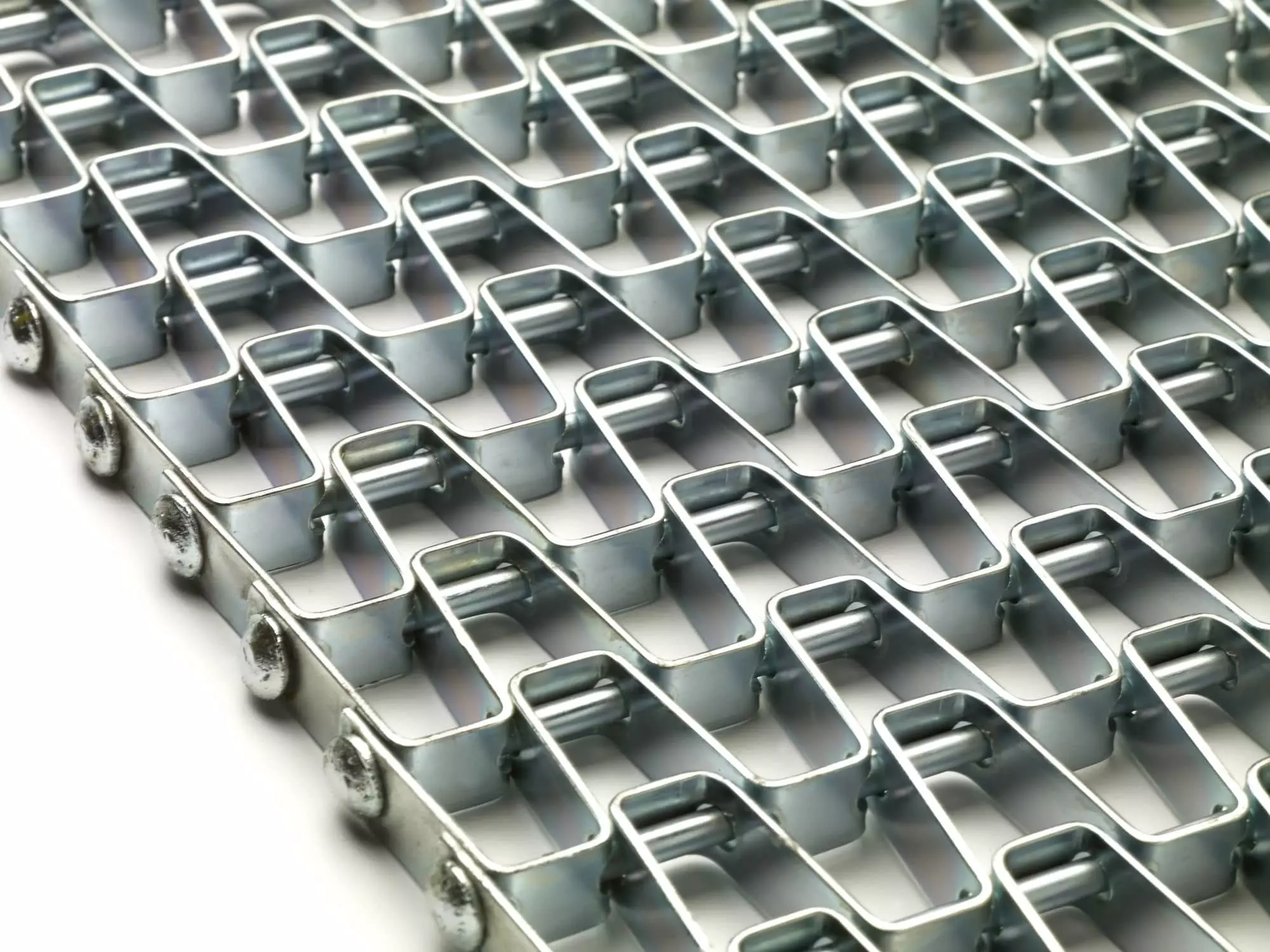
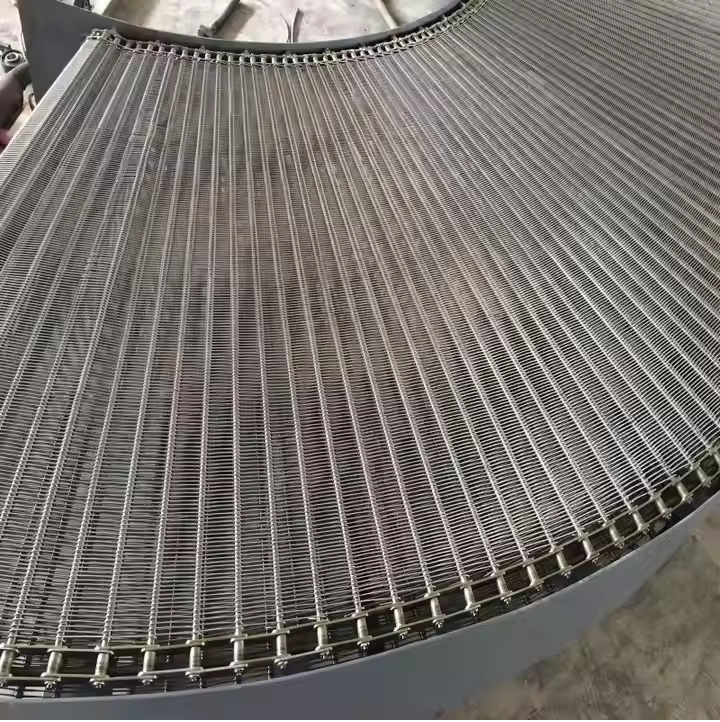
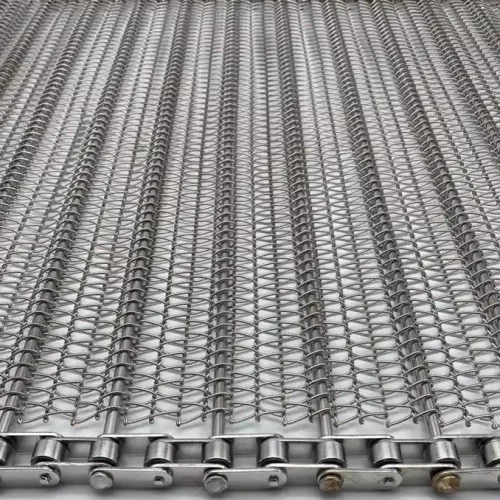
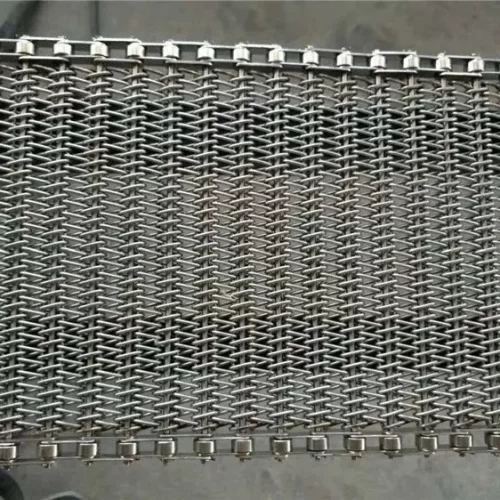
A Balanced Weave Conveyor Belt features alternating left-hand and right-hand wire spirals joined by rods-or-loops, creating a uniform, reversible mesh structure. The balanced design ensures that forces within the belt cancel each other, leading to a perfectly straight run, minimal tracking deviation and consistent performance.  This design gives it some serious stability and helps prevent tracking issues (a common headache with other belts).

  • Material: Stainless steel (304, 316), mild steel, high carbon steel, galvanized steel, Inconel, and sometimes even bronze – depending on the heat and corrosion requirements.
  • Wire Diameter: Typically ranges from 0.8 mm to 3.0 mm.
  • Pitch (distance between spirals): Usually between 3 mm to 25 mm, depending on the application.
  • Belt Width: Customizable – can range from a few inches to several feet wide.
  • Edge Types: Welded, laddered, or chain-driven depending on need.
  • Open Area: Around 40% to 85% open – offering great air or liquid flow.

How It Differs from Other Wire Mesh Belts?

Compared to conventional one-hand spiral belts, the balanced weave design offers:

  • Stable, symmetric tracking (no inherent lean to one side)
  • Higher pitch-to-diameter ratio, yielding heavier duty loads
  • Suitability for friction-driven systems (flat drive drums or rollers) without the need for sprockets or external guides
    These advantages make it particularly suitable where alignment, load-flatness or temperature extremes matter.

✅ Key Features & Benefits

Straight-Running Stability and Tracking

Thanks to the alternating spiral construction and balanced net-lateral forces, these belts run straight even at high speeds and under wide widths—eliminating the frequent tracking adjustments seen in asymmetric mesh belts.

High Load Capacity & Durable Materials

The heavy-duty rod-reinforced structure supports higher product weights, wider belt sections (up to 3000 mm or more depending on fabrication) and long spans. Materials such as stainless steel (SS 304/316) or carbon steel ensure robust performance in harsh environments.

Temperature Resistance and Application Flexibility

Balanced weave belts can be configured to withstand elevated temperatures (e.g., up to 800 °C or higher with special alloy options), making them ideal for ovens, furnaces, thermal tunnels and cooling zones.

Custom Widths and Drive Options (Friction / Positive Drive)

Whether you require a friction-driven layout with flat drive drums or a positive-drive layout using pin-rolls/sprockets, the balanced weave belt can be customized for your conveyor system. Flights, side plates, curving sections and turns can be integrated to suit your line.

Low Maintenance

It doesn’t stretch much and is less prone to distortion. 

  • Low Maintenance: It doesn’t stretch much and is less prone to distortion.
  • Great Airflow: The open mesh allows heat, air, or liquids to pass through – perfect for drying, cooling, or heating processes.
  • Versatile: Works in almost any industry – from food processing to heavy-duty manufacturing.

Materials, Specifications & Design Options

Material Grades: Stainless Steel, Carbon Steel, Special Alloys

Choose from:

  • SS 304 (standard food-grade)
  • SS 316/316L (better corrosion and high-temperature resistance)
  • Carbon steel (cost-effective for general industrial use)
  • High-temperature alloys (for > 800 °C applications)

Mesh Counts, Pitch, Wire Diameter and Belt Widths

Typical specification parameters include:

Parameter

Typical Range

Spiral Pitch

40 mm – 80 mm (or customised)

Wire Diameter

2.0 mm – 5.0 mm

Rod/Loop Diameter              

4.0 mm – 8.0 mm

Belt Width

Up to 3000 mm (special widths on request)

Temperature Range

–40 °C to +800 °C (higher with special alloys)

Drive Systems: Friction-Driven vs Positive-Drive

  • Friction-driven balanced weaveuses flat-drive drums and offers quiet, low-maintenance running for many applications.
  • Positive-drive balanced weaveattaches sprockets or pin-rolls to the mesh for accurate indexing, inclines/declines or heavy loads where slippage is unacceptable.

Edge Types, Turns, Flights & Special Customisations

We can supply belts with:

    • straight side-bars, blind-side edges or hooked edges
    • welded flights for product engagement
    • curving modules, inclines or dual-mesh for special transfers
    • drive-end and take-up end bespoke construction to match your existing conveyor frame

Typical Applications & Industries

Food Processing – Baking, Cooling, Drying

In the bakery, snack-food and confectionery sectors, balanced weave belts are prized for their open-mesh design (airflow, drainage), consistent product carry and oven/cooler compatibility.

Industrial – Glass Annealing, Metal Parts Handling, Furnaces

Heavy parts, high-temperature furnaces, metal stamping lines and glass annealing tunnels benefit from the rugged structure and stability of balanced weave belts.

Other Uses – Packaging, Freezers, Screening

Whether your line involves packaging sections, freezer tunnels or screening applications, the balanced weave mesh belt offers customization to suit the conveyor layout, environment and product type.

  • Food Industry: Baking, freezing, frying, and cooling – great for bread, snacks, meat, and veggies.
  • Heat Treating: Handles extreme temps without warping.
  • Metal Working: For annealing, drying, or quenching metal parts.
  • Ceramics & Glass: Used in kilns or furnaces.
  • Electronics: For drying PCBs or heat-treating components.
  • Automotive: Used in production lines and heat processing.

Why Choose Engineerswiremesh for Balanced Weave Belts

Manufacturing Expertise & Quality Assurance

With decades of experience in precision wire-mesh fabrication, our facility is equipped with advanced weaving, welding and flattening lines. All belts undergo rigorous tension, tracking and run-in testing to ensure quality and performance.

Global Export, Custom Solutions & Quick Delivery

Based in India with global export capability, we provide balanced weave belts tailored to your exact specification, backed by fast lead times and international shipping.

After-Sales Support, Spares & Maintenance

We stand behind our product with spares availability, maintenance guidance and retro-fit services to keep your line running at optimum efficiency.

Installation, Maintenance & Best Practices

Installation Tips for Straight-Running Conveyors

When installing a balanced weave conveyor belt:

  • ensure drive drum and take-up drum are aligned and parallel
  • tension the belt according to manufacturer recommendations (typically 5 %–10 % elongation)
  • maintain correct drum surface finish for friction-driven belts
  • pre-run the belt empty for 1–2 hours to verify tracking

Maintenance Checklist & Lifespan Optimization

Regular checks should include:

  • inspect for wire breakage or rod loosening
  • monitor tracking and realign if drift occurs
  • clean debris or product build-up (especially in ovens/freezers)
  • check edge condition and flight welds
    With proper maintenance, a balanced weave belt can provide long service-life and reliable performance.
  • We are one of the established names of the industry engaged in manufacturing and exporting a qualitative range of Balanced Weave Conveyor Belt.

Specifications

Mesh Size

Spiral Wire Dia.
in mm

Cross Wire Dia.
in mm

EWM 12-12-12

1

2.60

2.60

EWM 18-16-8

1.5

4.0

4.0

EWM 18-16-12

1.5

2.60

2.60

EWM 24-18-10

2

3.20

3.20

EWM 24-18-12

2

2.60

2.60

EWM 24-20-12

2

2.60

2.60

EWM 24-20-14

2

2.0

2.0

EWM 36-27-16

3

1.60

1.60

EWM 36-32-14

3

2.0

2.0

EWM 36-20-12

3

2.60

2.60

EWM 36-20-2.9×2-12

3

2.9×2

2.60

EWM 36-22-12

3

2.60

2.60

EWM 36-22-12-10

3

2.60

3.20

EWM 48-32-16

4

1.60

1.60

EWM 48-38-14

4

2.0

2.0

EWM 60-32-16

5

1.60

1.60

EWM 60-42-14

5

2.0

2.0

EWM 60-42-2×1.5-14

5

2.0×1.5

2.0

EWM 60-48-16-14

5

1.60

2.0

EWM 72-42-16

6

1.60

1.60

🔧 Maintenance Tips (Keep It Running Like New)

Keeping your belt in top shape is pretty straightforward:

  1. Regular Inspection: Check for any signs of wear or wire fatigue, especially at the edges and joints.
  2. Keep It Clean: Especially in food applications – residue buildup can affect performance.
  3. Lubricate Moving Parts: If your setup has chain-driven sides, keep those parts lubricated.
  4. Check Tension & Alignment: Avoid over-tightening; a loose belt is better than an overstretched one.
  5. Replace Damaged Sections Promptly: Small issues can snowball into big ones if ignored.

Customization Options

Need something that fits your exact process? No problem – these belts are fully customizable:

  • Material choicebased on heat, corrosion, or strength requirements.
  • Belt width and lengthtailored to your conveyor specs.
  • Mesh size and wire diameteradjusted for product size or flow rate.
  • Edge finish– from welded to chain-driven to reinforced.
  • Speed compatibility– designed to work with both slow-moving and high-speed systems.

Compatibility With Systems

Balanced weave belts play nice with most conveyor setups. They’re:

  • Compatible with straight-runningand curved conveyors.
  • Available with sprockets or pulleysdepending on your drive system.
  • Easily integrated into automated processing lines.

Most Reliable Metal Conveyor Belts Solution

Perfect spiral-to-rod construction ensures excellent tracking, durability, and efficiency. Ideal for high-heat environments and precision conveying needs.

Get A Quote on Balanced Weave Conveyor Belts

Over 15 Years Of Experience

A balanced weave conveyor belts are a type of wire mesh belts made from alternating left-hand and right-hand spirals connected with cross rods. This unique structure creates a stable, straight-running belt that moves smoothly over rollers or drums. It is widely used because it offers consistent tracking, flexibility, and reliable performance in continuous production environments

Balanced weave belts are used across multiple industries, especially where airflow, drainage, or heat transfer is required. Common applications include food processing (baking, cooling, washing), heat treatment, glass and ceramic production, and chemical processing. Their open mesh design allows efficient airflow and liquid drainage, making them ideal for high-temperature and hygienic environments.

These belts are preferred because they offer excellent strength, flexibility, and product stability. They can handle medium to heavy loads while maintaining smooth movement. Additionally, they provide a large open surface area, are easy to install, and require relatively low maintenance compared to other metal conveyor belts.

Choosing the right belt depends on factors like product size, load weight, operating temperature, and required mesh density. For example, tighter mesh is better for small or delicate products, while larger openings are suitable for airflow and drainage. Material selection (stainless steel, galvanized steel, etc.) also plays a critical role depending on corrosion resistance and temperature requirements.

Balanced weave belts are lighter and more flexible, making them suitable for general-purpose applications. In contrast, compound balanced weave belts have a denser mesh structure, offering higher strength and better support for smaller or heavier products. The choice depends on your process requirements, especially load capacity and product size.