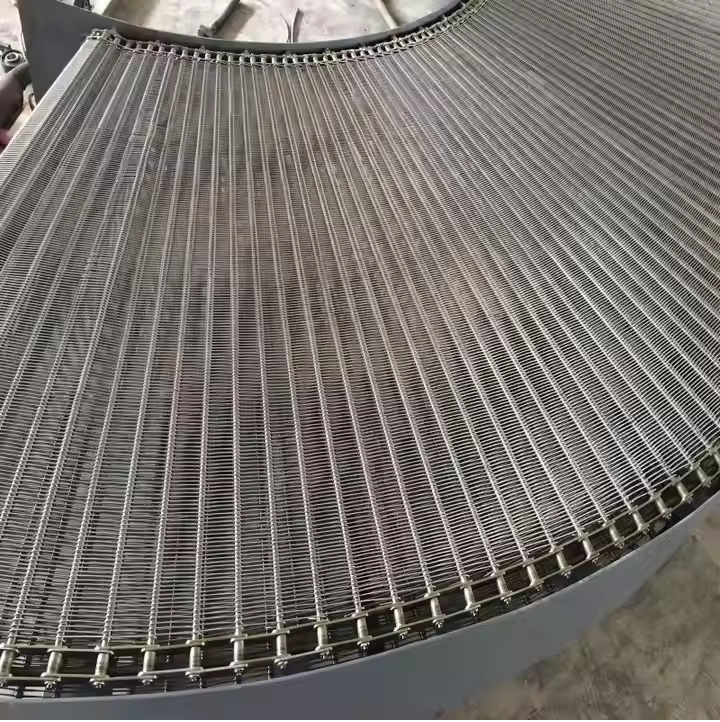
What Are Eyelink Conveyor Belts?
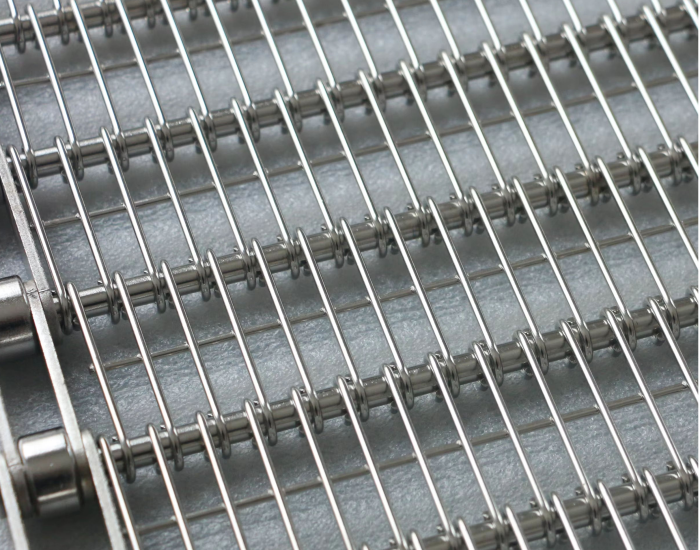
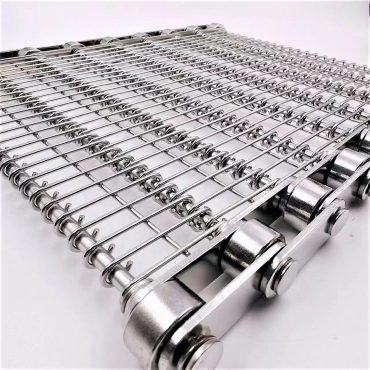
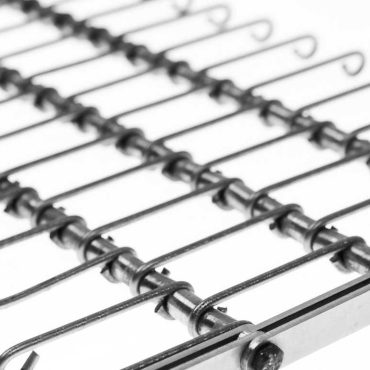
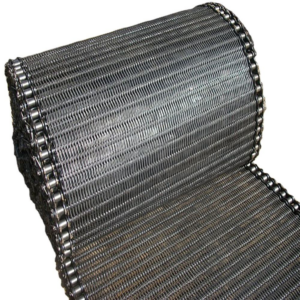
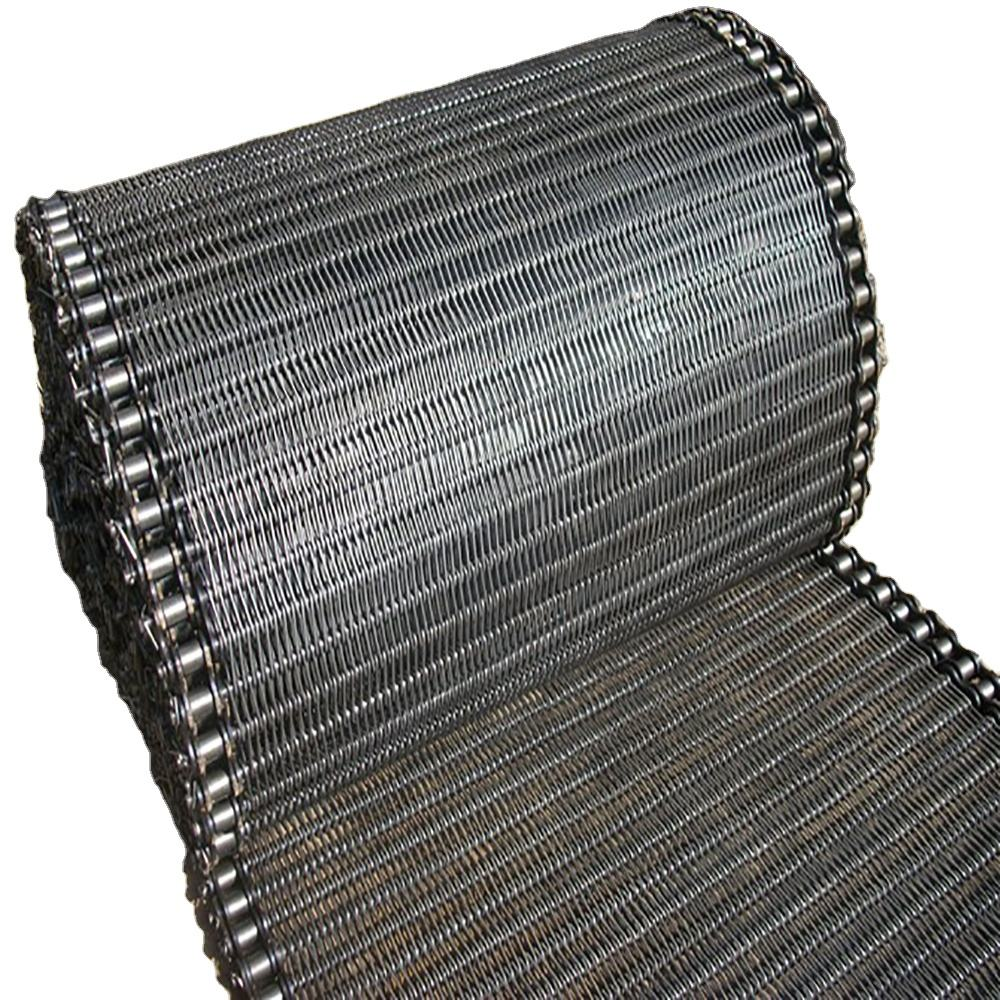
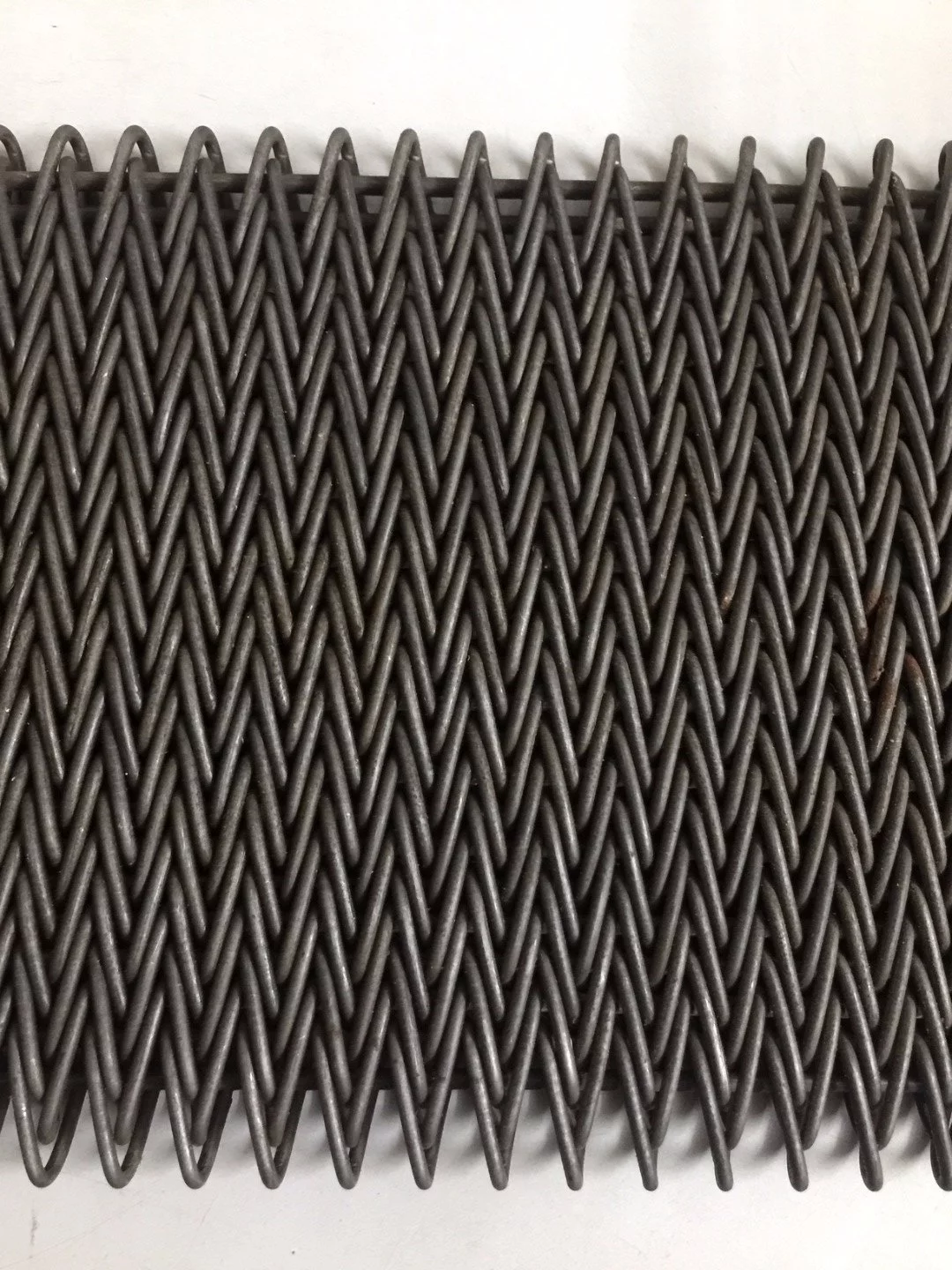
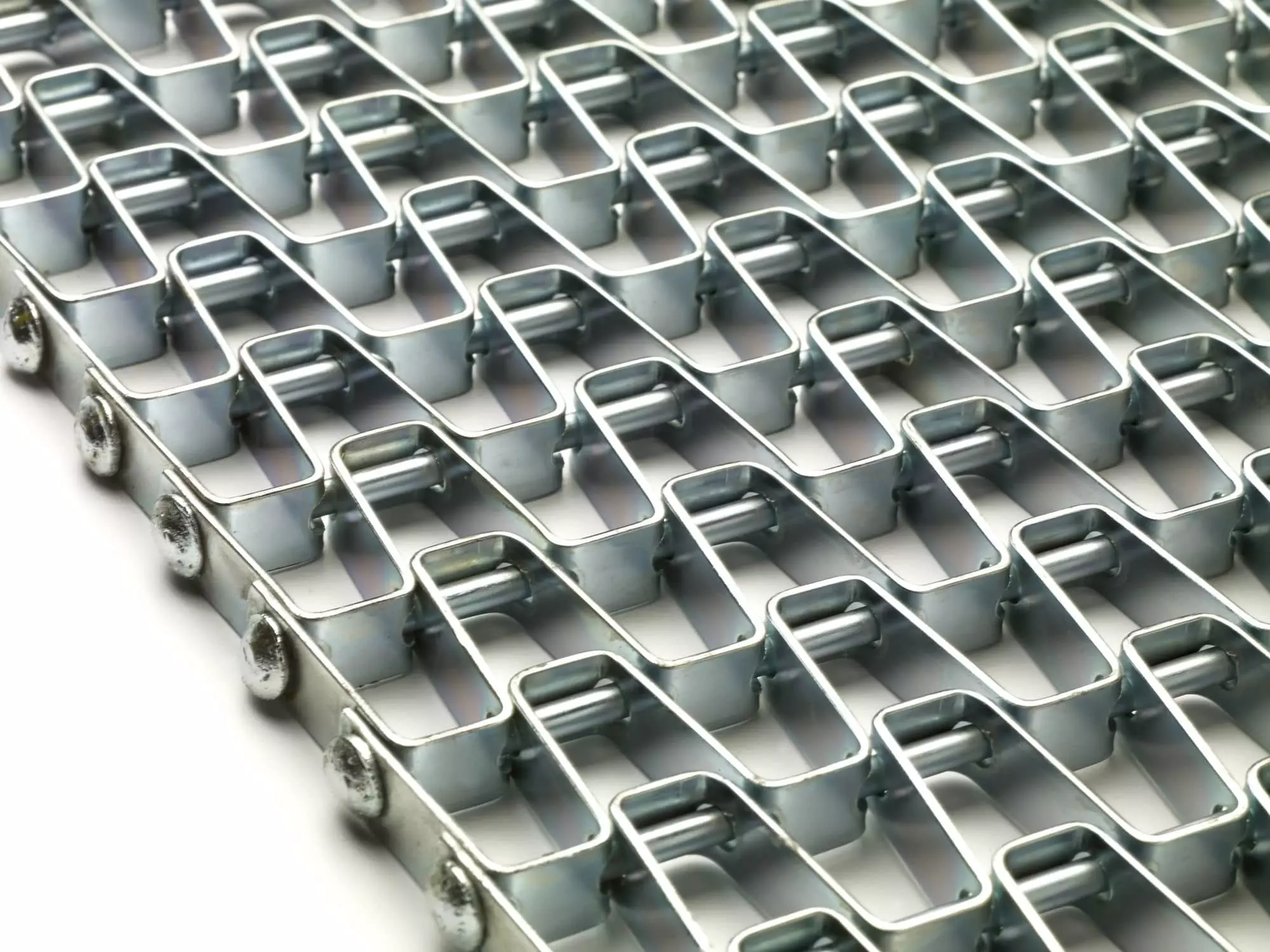
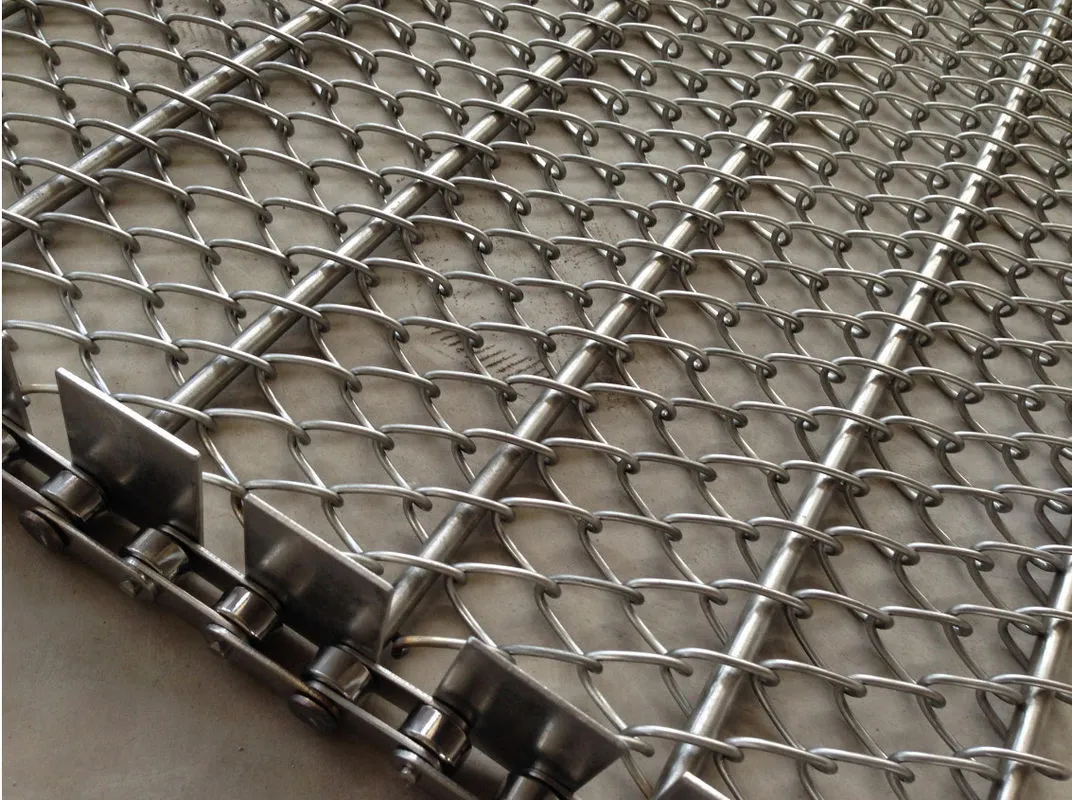
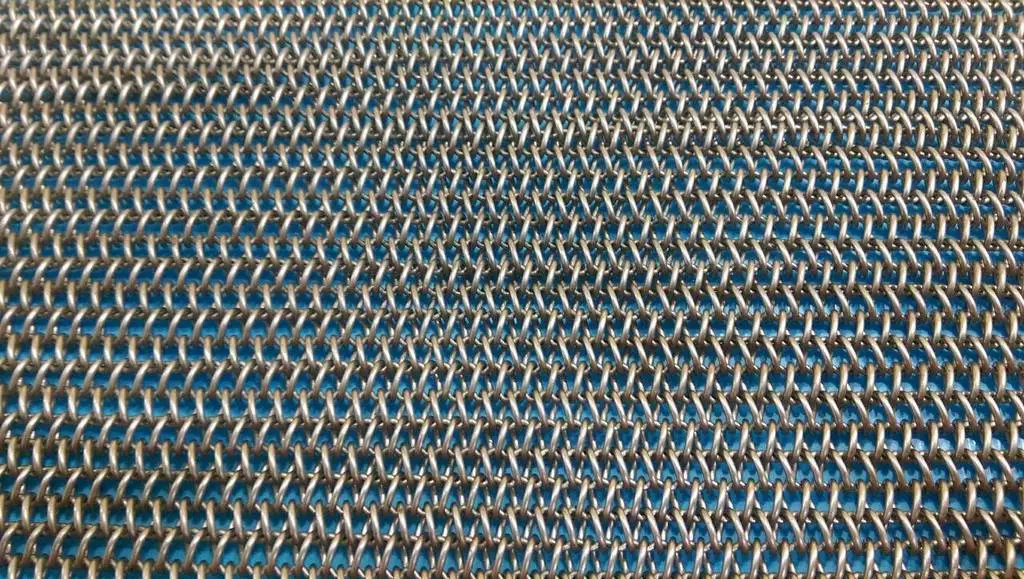
Eyelink conveyor belts are modular metal belts constructed from individual calibrated wire elements shaped like eyes (hence the name “eyelink” or “eye link”). These eyelinks are assembled onto sturdy cross rods, creating a hinge-like structure that forms an exceptionally flat and stable conveying surface.
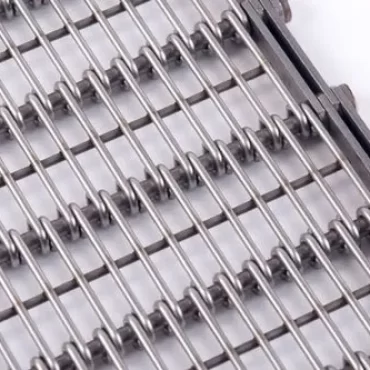
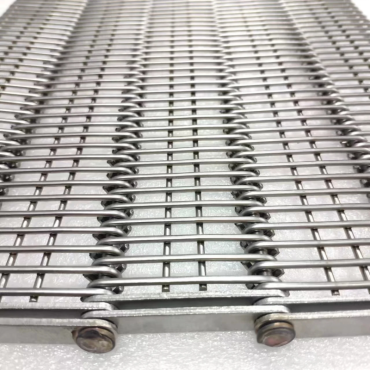
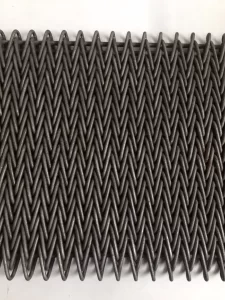
Unlike traditional woven wire mesh belts, eyelink designs feature a single-layer construction with reinforcing plate links or under-welded wires spaced at regular intervals. This results in a rugged yet open structure that promotes excellent airflow, drainage, and heat transfer while preventing product entrapment.
Key Components of Eye Link Conveyor Belts
- Eyelinks: Precision-formed wire loops (round or pressed) that provide the primary conveying surface.
- Cross rods: Connect the links and transfer drive force.
- Reinforcing elements: Plate links, welded underwires, tube spacers, or springs for added strength and gap control.
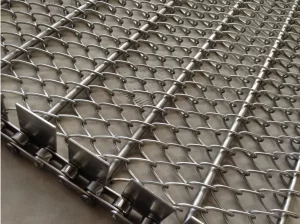
- Edge options: Bar link edges (Type LK) or roller chain edges (Type KH) for positive tracking and directional changes.
This modular design makes eyelink belts easy to repair, customize, and maintain — a major reason they dominate demanding 24/7 production lines worldwide.
Why Eyelink Conveyor Belts Outperform Traditional Options
Businesses choose eyelink (Eye-Flex) belts because they solve real production challenges that other belts can’t match:
- Flat, stable surface with zero product marking — Perfect support for fragile items like pastries, meat patties, or glass components.
- Single-level design — Eliminates the “tunnel effect” where products get trapped between layers.
- Superior airflow and drainage — Ideal for freezing, cooling, drying, frying, and washing processes.
- Extreme durability — Handles heavy loads, high temperatures (up to 400°C), and sub-zero freezer conditions without stretching or deforming.
- Hygienic and easy to clean — Open round-wire construction meets strict food-safety standards (USDA-approved options available).
- Positive drive with no slippage — Works seamlessly with sprockets or chains for straight tracking even under uneven loading.
- Long service life — Many operators report 5–10+ years of continuous use with minimal maintenance.
These benefits translate directly into reduced downtime, higher throughput, consistent product quality, and lower total cost of ownership.
Types of Eyelink Conveyor Belts: Finding the Right Fit
Not all eyelink belts are the same. Manufacturers offer several configurations to match specific process needs:
1. Full Eyelink Belts (Standard)
Eyelinks sit edge-to-edge with minimal gaps — economical and great for general heavy-load conveying.
2. Eyelink Belts with Welded Underwires or Tube Spacers
Added strength and customizable gap sizes for enhanced airflow or drainage.
3. Pressed or Welded Eyelink Variants
Create the smallest possible openings for freezing or fine-product applications.
4. Eyelink Belts with Springs or Bushings
Extra shock absorption and lateral stability for high-impact or side-force environments.
5. Chain-Driven (KH) vs. Bar Link (LK) Edge Designs
Chain edges excel in applications requiring vertical direction changes, such as fryer submerging or hold-down systems.
6. EU vs. US Design Styles
US-style alternating rows offer the easiest cleaning for the strictest hygiene requirements.
Pitch sizes typically range from 15.9 mm (5/8″) to 76.2 mm (3″), with wire diameters from 1.6 mm up to 4 mm or more.
Primary Applications and Industries Served
Eyelink conveyor belts are trusted across sectors where reliability and hygiene matter most:
- Food Processing — Baking lines, cooling tunnels, spiral freezers, fryers, pasteurizers, blanching, and washing systems.
- Meat, Poultry & Seafood — Gentle handling of patties, fillets, and ready-to-eat products.
- Bakery & Snack Foods — Even support for cookies, bread, pizzas, and extruded snacks.
- Pharmaceutical & Chemical — Precise transport under controlled conditions.
- Glass & Heavy Industrial — High-strength conveying of fragile or bulky items.
- Packaging Lines — Smooth transfer before final boxing or palletizing.
Their ability to maintain consistent product orientation makes them especially valuable in automated inspection and packaging stations.
Materials and Customization Options
Most eyelink belts are manufactured from high-grade stainless steel (304 or 316) for corrosion resistance and food contact approval. Other options include carbon steel or specialized alloys for extreme temperatures.
Customization possibilities include:
- Variable pitch and gap widths
- Side guards, flights, or carriers
- Special surface treatments
- Reinforced edges or sprocket-compatible designs
- Widths up to several meters
Installation, Maintenance, and Long-Term Performance
Eyelink belts are surprisingly simple to work with. They require minimal tension (often just catenary sag) and run straight without complex tracking systems. Routine maintenance involves periodic visual inspection, spray cleaning, and occasional module replacement — all made easy by the modular construction.
Pro tip: Avoid reverse bends and never drop heavy products directly onto the belt to maximize lifespan.
Eyelink vs. Other Conveyor Belts: A Quick Comparison
| Feature | Eyelink / Eye-Flex | Balanced Spiral | Flat Wire / Honeycomb | Plastic Modular |
|---|
| Surface Stability | Excellent | Good | Good | Variable |
| Heavy Load Capacity | Superior | Moderate | High | Lower |
| Airflow & Drainage | Outstanding | Good | Excellent | Limited |
| Hygiene & Cleanability | Top-tier | Good | Good | Good |
| Temperature Range | Extreme | Wide | Wide | Limited |
| Lifespan in 24/7 Use | Longest | Good | Good | Shorter |
For applications demanding the toughest combination of strength, flatness, and hygiene, eyelink conveyor belts consistently come out on top.