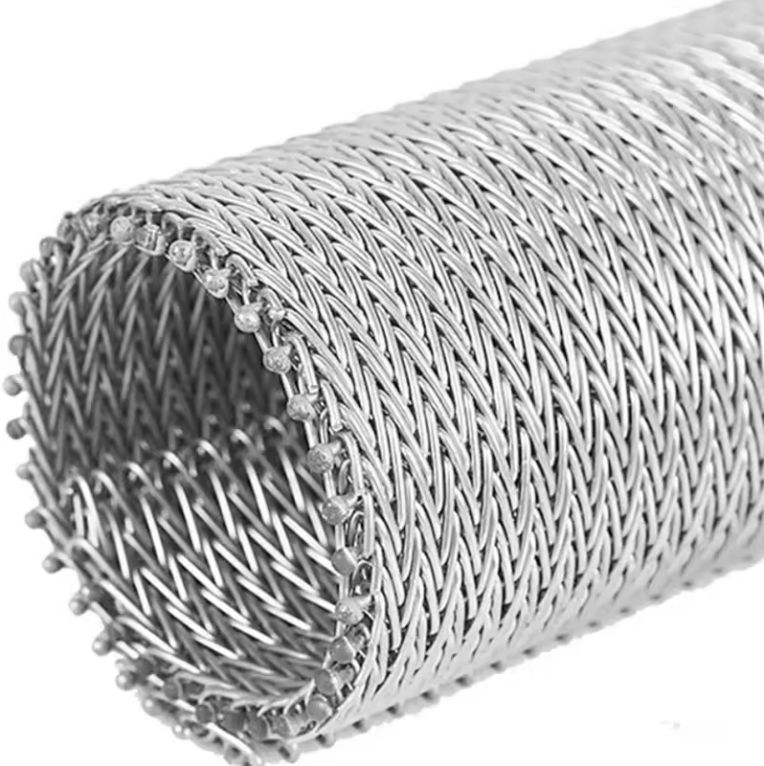
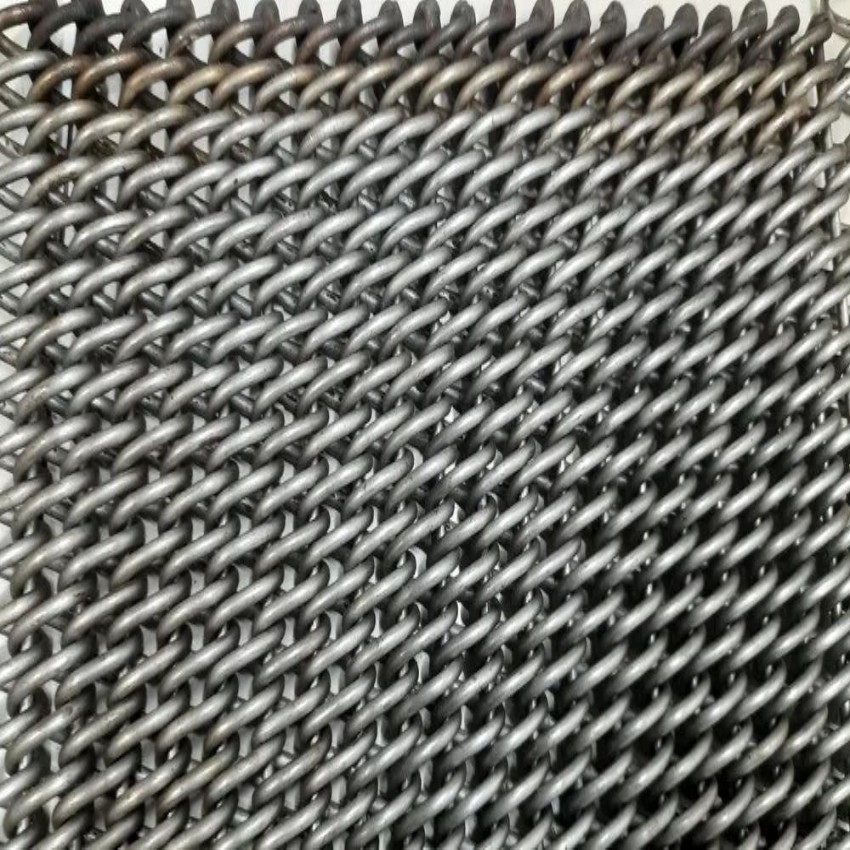
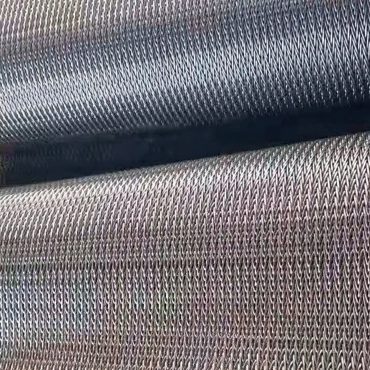
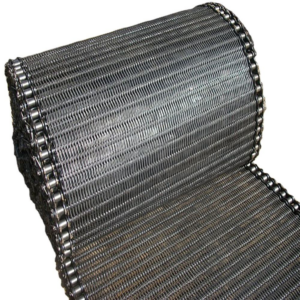
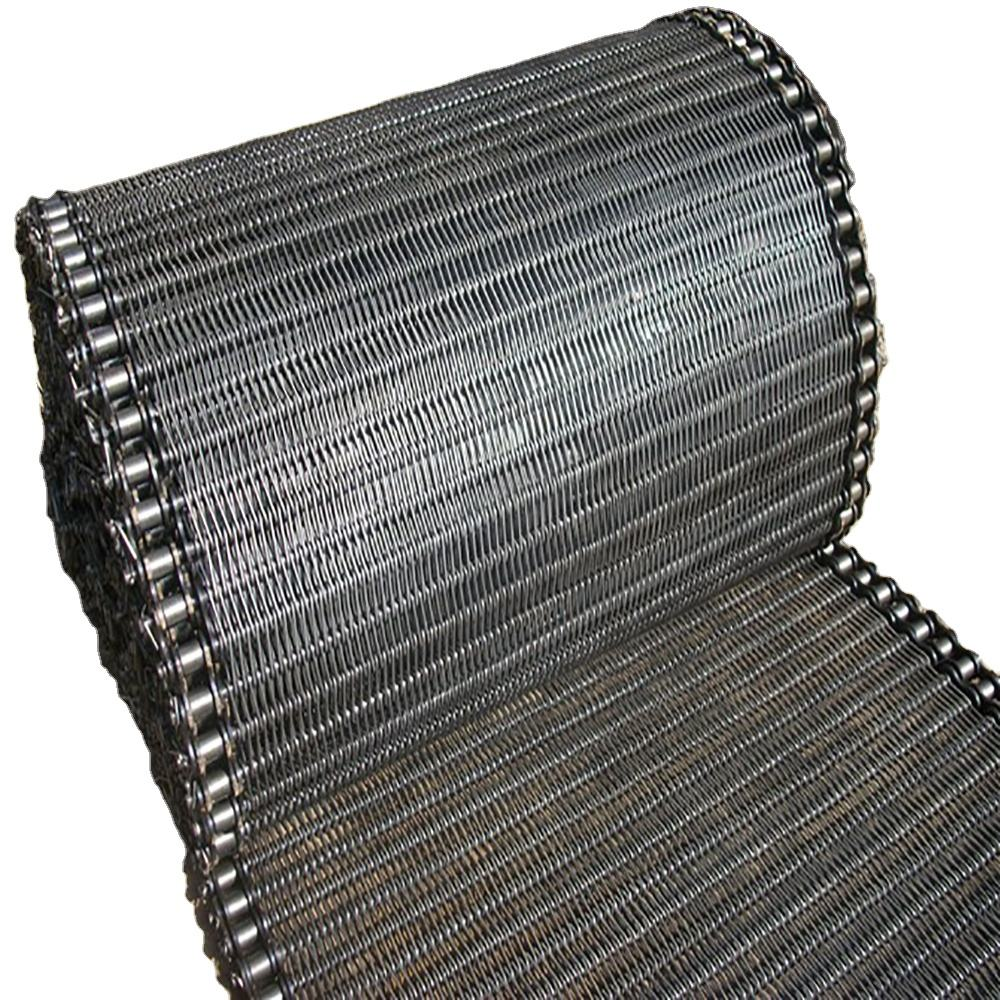
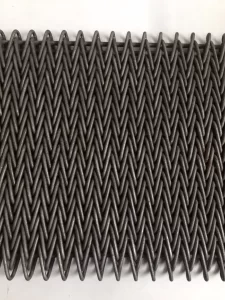
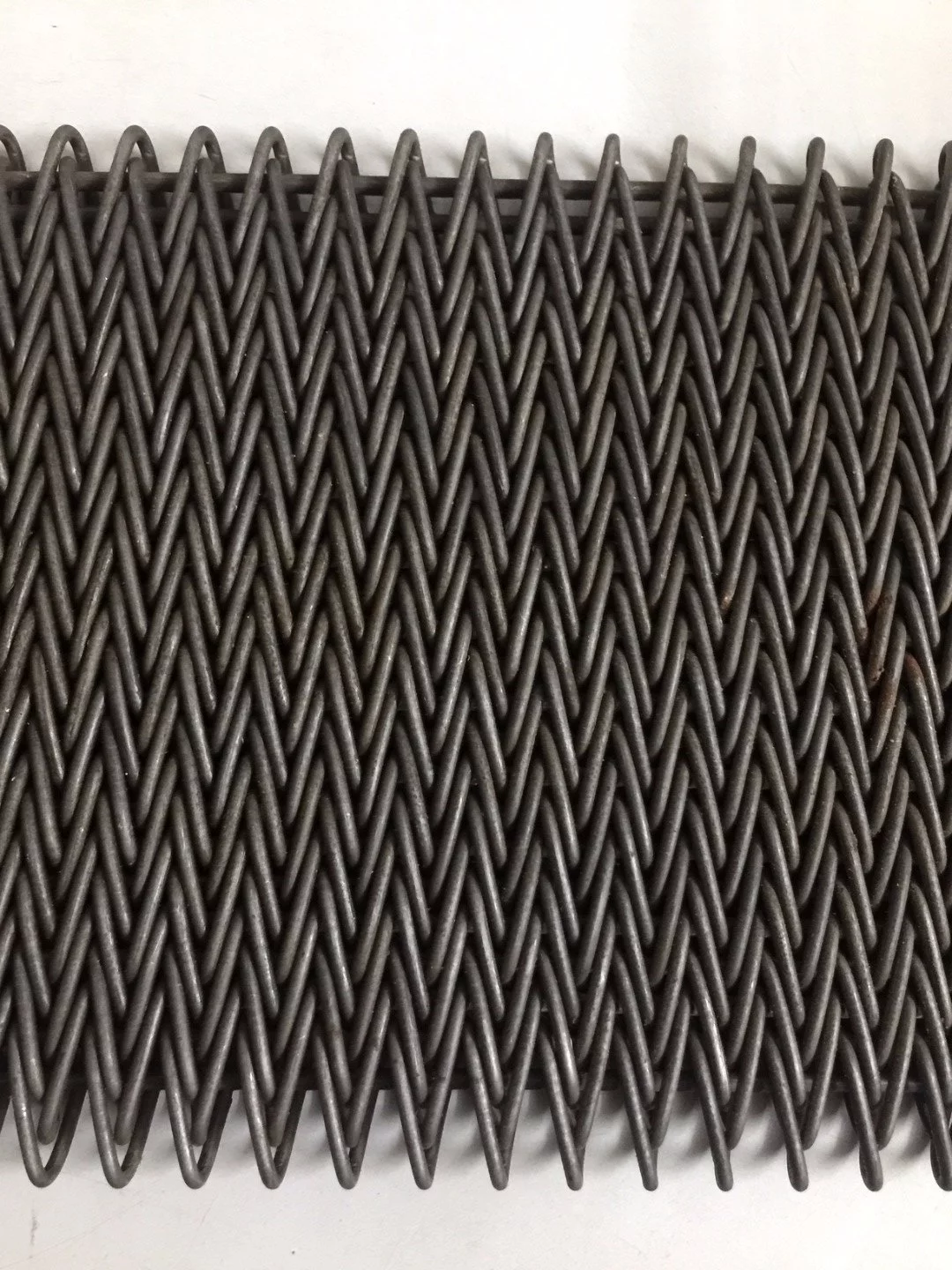
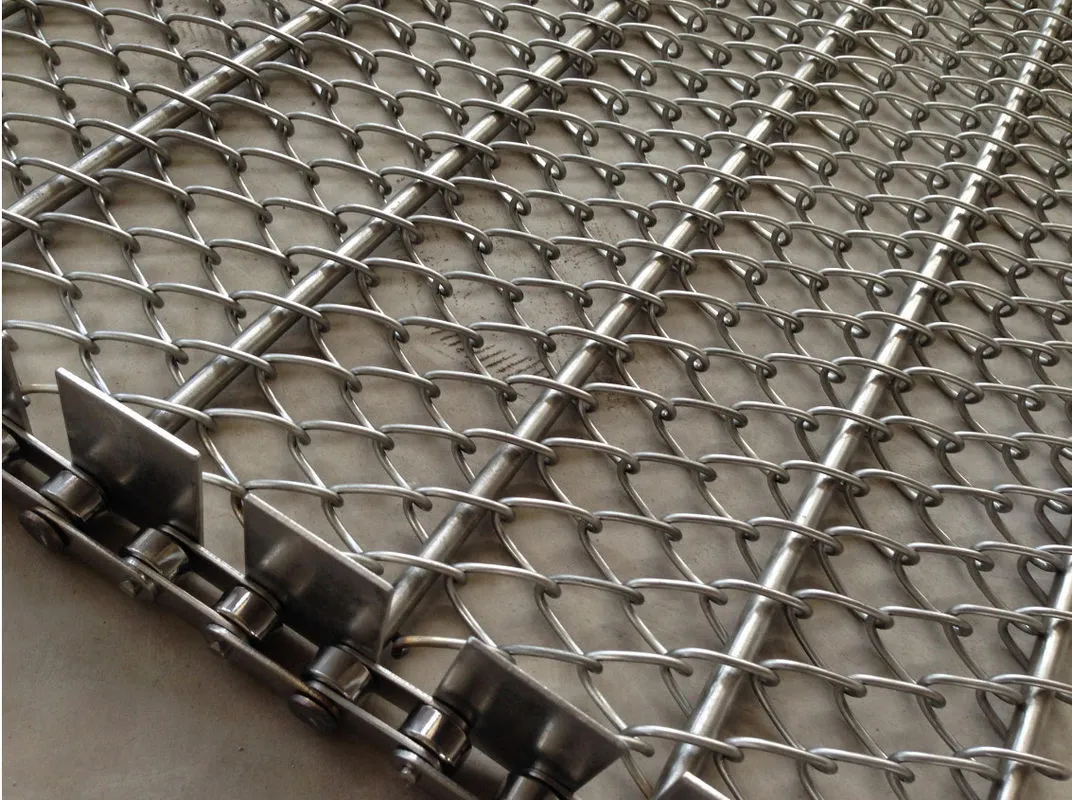
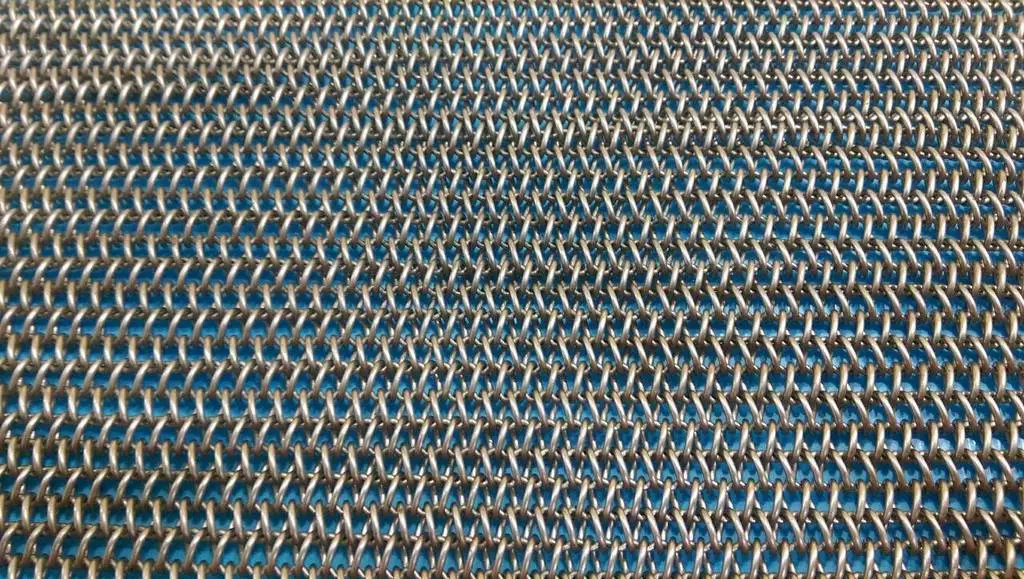
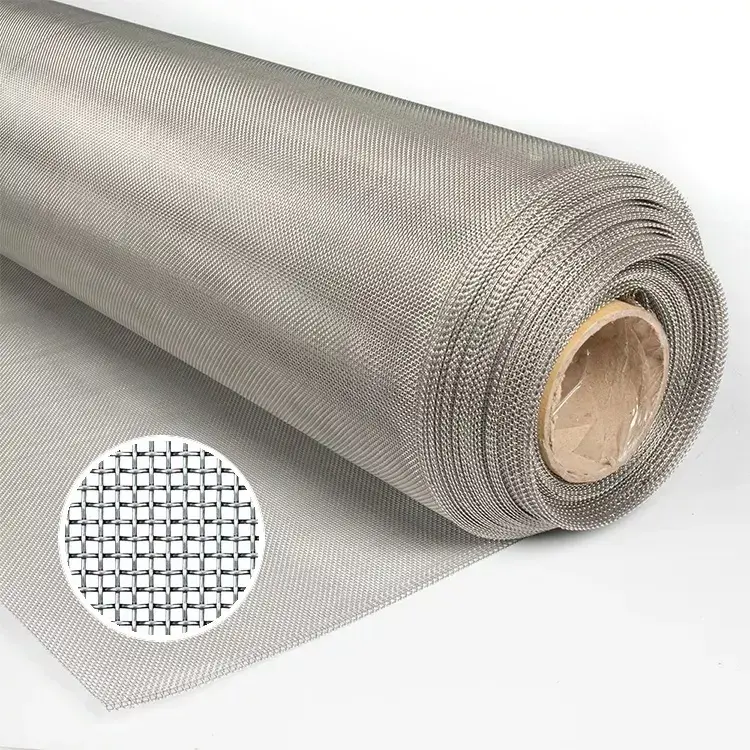
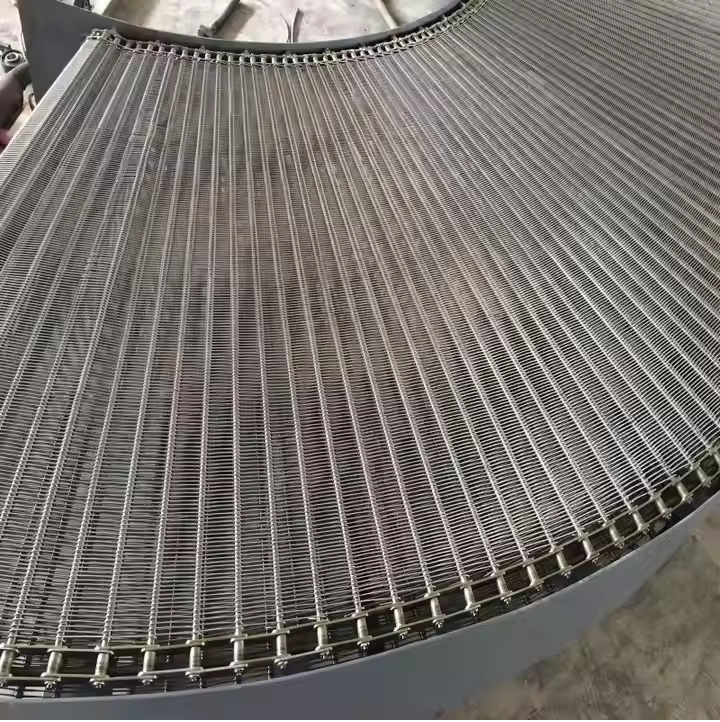
Duplex Weave Wire Mesh Conveyor Belts feature a specialized weaving pattern using single-directional spirals reinforced by straight cross-rods. This creates a dense, flat mesh surface that offers superior load-bearing capacity compared to lighter open-mesh designs.
The “duplex” designation comes from the paired or closely interwoven spiral structure, resulting in a tighter mesh with enhanced stability. Unlike simpler chain-link or single-weave belts, these incorporate pre-curved wires for better wear resistance and smooth product flow.
Key characteristics include:
Dense mesh surface for small or delicate parts
Rod-reinforced construction for added strength under tension
Flat conveying effect that prevents product tipping or damage
These belts excel in environments where ordinary plastic, rubber, or lighter wire belts would deform, stretch, or fail quickly.
Construction and Design Features of Duplex Weave Belts
The engineering behind Duplex Weave Wire Mesh Conveyor Belts starts with high-quality wire formed into spirals woven in a consistent directional pattern. Cross-rods pass through the hinging points, locking the structure for exceptional rigidity.
Core Weave Elements
Spirals per foot: Typically 24–60 (customizable)
Cross-rods per foot: 55–100 for optimal density
Wire diameters: Range from 1.0 mm to 3.5+ mm (SWG 12–18 common)
Edge and Drive Options
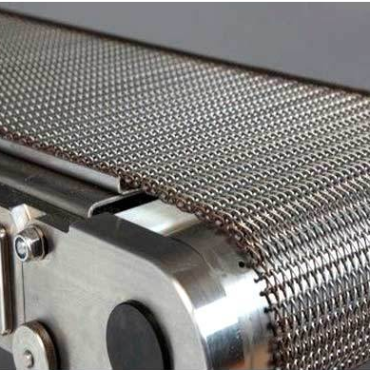
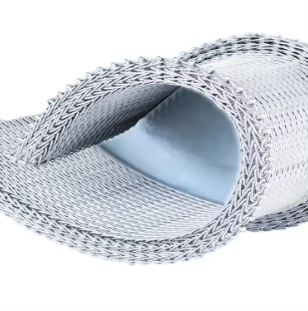
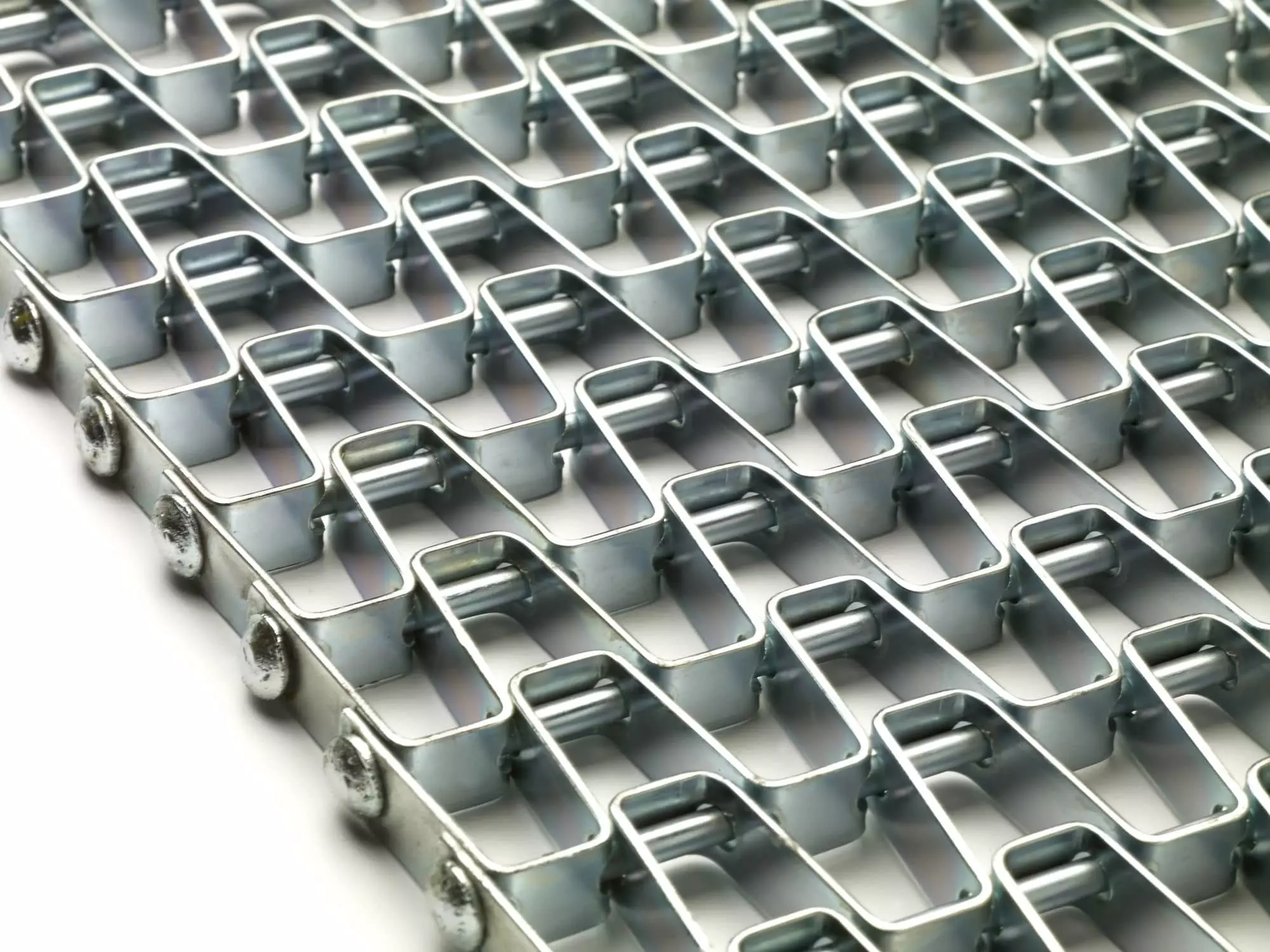
Belts come with welded, looped, or reinforced selvedges for secure tracking. They work with sprockets, rollers, or friction drives, ensuring positive tracking even at high speeds or under heavy thermal expansion.
This design minimizes stretching, tracking issues, and downtime—common pain points with older rod-reinforced or single-weave belts.
Materials Used in Duplex Weave Wire Mesh Conveyor Belts
Material selection directly impacts performance in extreme conditions. Manufacturers primarily use premium stainless steel grades:
AISI 304 / 304L: Excellent corrosion resistance for general high-temp use
AISI 316 / 316L: Superior for moist or mildly corrosive atmospheres
AISI 310 / 314 / 309: Optimized for continuous exposure above 800°C
High-temperature alloys available for specialized needs
These materials provide oxidation resistance, thermal stability, and mechanical strength, allowing belts to handle temperatures up to 1100°C without warping or weakening.
Key Benefits and Advantages of Duplex Weave Conveyor Belts
Plant operators choose Duplex Weave Wire Mesh Conveyor Belts for tangible operational gains:
Extreme load capacity – Handles heavy parts without deformation
Smooth, dense surface – Prevents marking on sensitive components
High-temperature endurance – Ideal for continuous furnace lines
Superior stability and tracking – Reduces maintenance and belt replacement frequency
Excellent heat transfer and airflow – Supports efficient brazing, sintering, and annealing
Long service life – Often outlasts standard balanced or compound weave belts in demanding setups
These advantages translate to lower total cost of ownership, fewer production interruptions, and consistent product quality.
Industrial Applications of Duplex Weave Wire Mesh Belts
Duplex Weave Wire Mesh Conveyor Belts power critical processes across multiple sectors:
Metallurgy and Heat Treatment
Brazing and soldering lines
Tempering and hardening furnaces
Sintering of powdered metals
Annealing of components
Manufacturing and Processing
Glass and ceramic production
Automotive parts heat treatment
Electronics component handling
Heavy industrial drying and cooling
Their ability to maintain structural integrity under thermal cycling makes them indispensable where precision and reliability cannot be compromised.
Specifications and Customization Options
Every application is unique. Leading suppliers offer full customization:
Belt width: From narrow to several meters wide
Mesh density: Fine for small parts or more open for airflow
Wire gauge and rod diameter: Matched to load and speed requirements
Edge finishes: Welded, looped, or reinforced for specific drives
Surface treatments: For enhanced wear or corrosion resistance
Requesting a custom Duplex Weave Wire Mesh Conveyor Belt ensures perfect fit with your existing conveyor system, furnace dimensions, and production throughput.
SEO-Focused CTA Button Text 1: Get Your Custom Duplex Weave Wire Mesh Belt Quote in 24 Hours SEO-Focused CTA Button Text 2: Request Specifications & Samples for High-Temp Conveyor Belts SEO-Focused CTA Button Text 3: Compare Duplex Weave Belts to Your Current Setup – Free Consultation
How Duplex Weave Belts Compare to Other Wire Mesh Conveyor Belts
Understanding the differences helps you select the right solution:
Vs. Balanced Weave: Duplex offers denser mesh and higher strength for heavier or smaller loads; balanced weave provides more openness for maximum airflow.
Vs. Compound Balanced / Double Balanced: Duplex provides a flatter, smoother carrying surface with less stretch; double-balanced variants may offer slightly stronger edges but can stretch more under load.
Vs. Standard Chain-Link or Rod-Reinforced: Duplex delivers better tracking, longer life, and a superior flat surface for precision applications.
In most high-temperature, heavy-duty scenarios, Duplex Weave Wire Mesh Conveyor Belts outperform lighter alternatives while remaining more cost-effective than ultra-specialized compound designs.
Maintenance Tips to Maximize Belt Lifespan
Proper care extends service life dramatically:
Regular inspection of spirals and rods for wear
Keep tension correctly adjusted to prevent stretching
Clean debris to maintain smooth operation
Monitor temperature cycles to avoid thermal shock
Use compatible sprockets and supports for even load distribution
With routine preventive maintenance, many plants report 3–5+ years of continuous service from quality Duplex Weave belts.
Why Invest in Premium Duplex Weave Wire Mesh Conveyor Belts Today
In competitive manufacturing, downtime costs thousands per hour. Premium Duplex Weave Wire Mesh Conveyor Belts minimize risks through superior engineering, proven materials, and custom design. They deliver consistent performance, reduce replacement frequency, and support higher throughput in the most challenging environments.