Perforated Sleeves

Perforated Sleeves – Precision Engineered Flow Control & Filtration Solution

Perforated Sleeves

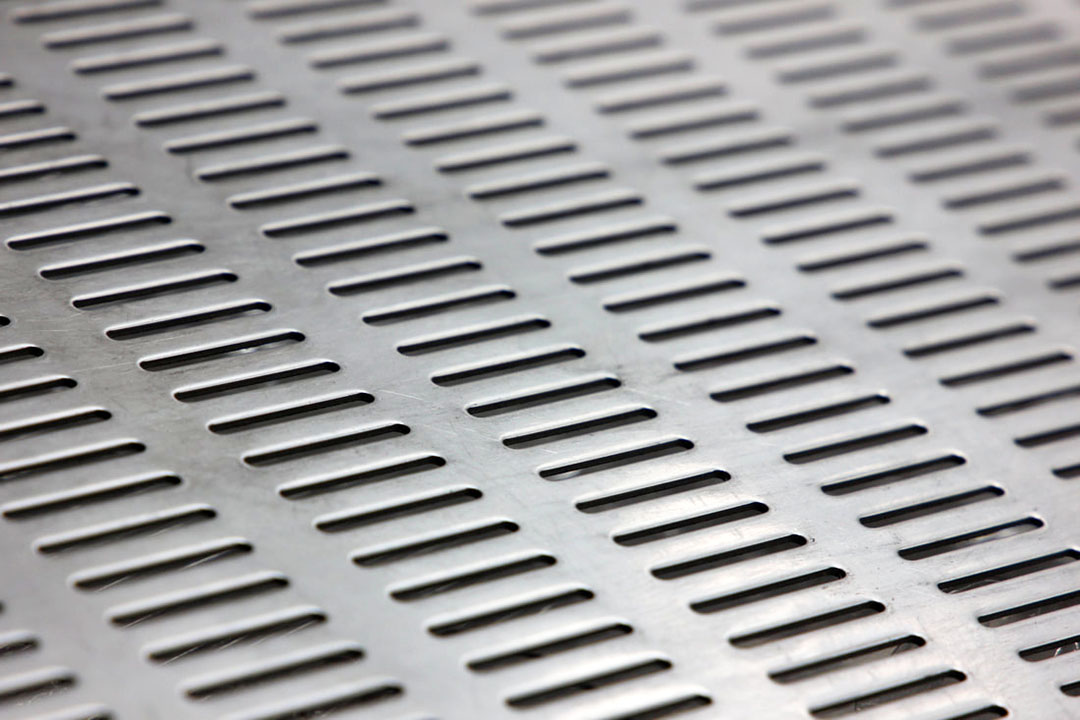
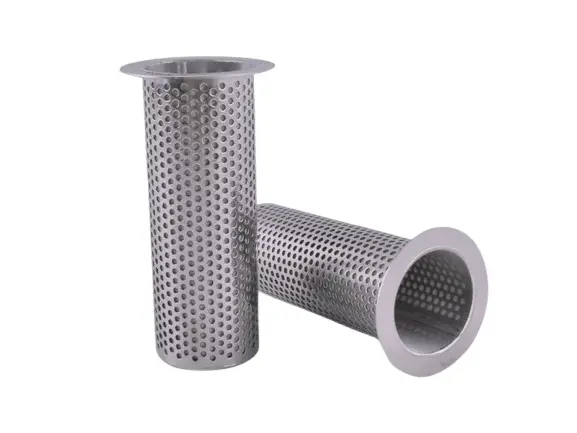
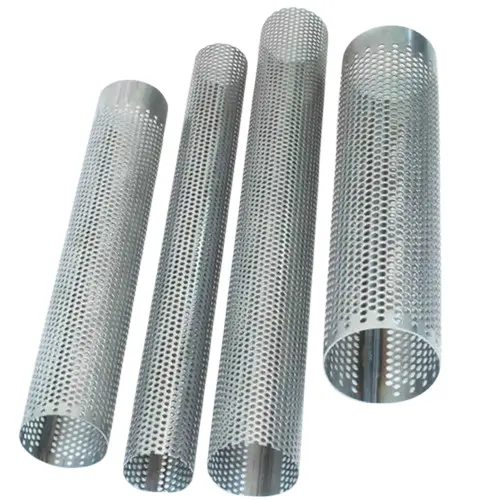
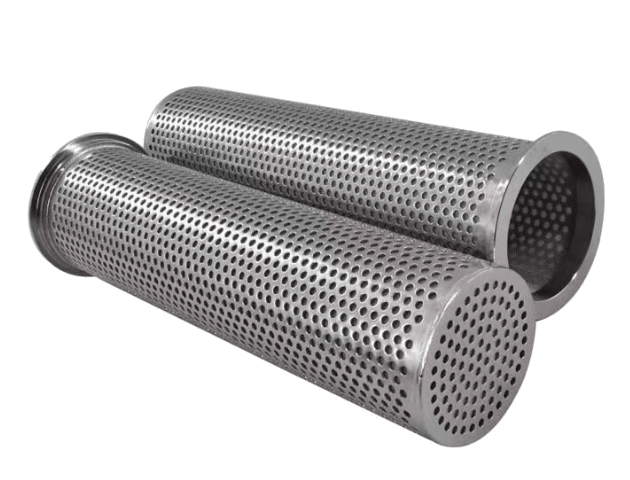
Perforated sleeves are critical components in industrial filtration, separation, and structural reinforcement systems. Designed with precision hole patterns, these sleeves optimize fluid flow, enhance durability, and ensure consistent performance across demanding environments such as oil & gas, chemical processing, water treatment, and food industries.

Whether used as a support layer for filter media, protective casing, or flow distribution component, perforated sleeves deliver efficiency, strength, and long-term reliability. When you’re seeking a reliable method to anchor bolts or cables in hollow masonry, or looking for a sleeve solution that offers airflow or drainage, the term perforated sleeve comes into play. In this guide we’ll explore what a perforated sleeve is, how it works, where it’s used, the different types, selection criteria, installation best-practices, advantages and limitations, cost considerations, and help you decide whether it’s right for your project.

What Are Perforated Sleeves and Why Do Builders Rely on Them?

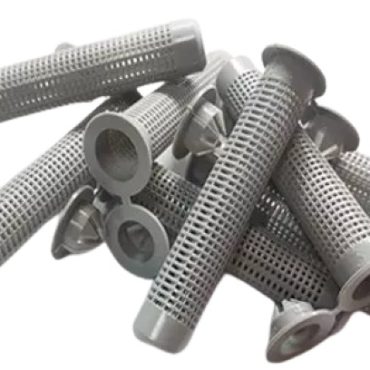
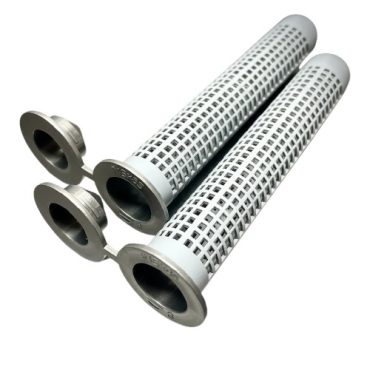
Perforated sleeves are tubular accessories designed specifically for chemical anchoring systems. Made from durable plastic, nylon, or metal, they feature evenly spaced holes (perforations) that let injection mortar or resin escape into the voids of hollow or perforated masonry.


Unlike solid sleeves, the perforations allow the adhesive to form a mechanical interlock with the surrounding material, turning loose cavities into a reinforced plug that grips threaded rods, rebar, or starter bars. Professionals call them “sieve sleeves” because they act like a filter, controlling resin distribution while preventing waste.

Key Functional Roles

  • Fluid filtration and separation
  • Structural support for mesh filters
  • Flow control and distribution
  • Protection of internal components
  • Debris and particle retention.

The Problem They Solve in Modern Construction

Hollow bricks and perforated blocks are popular for their insulation and weight-saving properties, but they make traditional expansion anchors unreliable. Perforated sleeves solve this by enabling expansion-free fixing—critical for seismic zones, near edges, or in older buildings.

How Perforated Sleeves Work with Chemical Anchors

The process is straightforward yet highly effective:

  • Drill the hole to the correct diameter and depth.
  • Insert the perforated sleeve.
  • Inject resin from the bottom up so it pushes through the perforations and fills every cavity.
  • Insert the threaded rod or anchor with a slight twisting motion.

The resin cures around and through the sleeve, creating a form-fit bond stronger than the base material itself. Many sleeves include a centering ring or cap to keep resin contained until the anchor is placed.

Resin Flow Dynamics Explained

The perforations are engineered for optimal flow—small enough to retain resin inside the sleeve but large enough for complete cavity filling. This results in higher pull-out resistance and reduced material usage compared to free-injection methods.

Key Benefits of Perforated Anchor Sleeves

  • Superior Load Capacity – Creates a solid resin plug that distributes force evenly.
  • No Expansion Stress – Safe for brittle or hollow substrates.
  • Reduced Resin Waste – Perforations ensure precise delivery.
  • Versatile – Works with polyester, epoxy, and hybrid mortars.
  • Approved Systems – Compatible with leading brands like Sika AnchorFix, Fischer, and Essve.
  • Faster Installation – Pre-cut or meter-length options speed up large jobs.

Builders report up to 30% less mortar consumption and significantly higher safety margins in perforated masonry.

Types of Perforated Sleeves: Which One Fits Your Project?

Plastic & Nylon Perforated Sleeves

Lightweight, corrosion-resistant, and cost-effective. Ideal for most indoor and outdoor applications in hollow bricks.

Metal (Zinc-Plated) Perforated Sleeves

Extra rigidity for deeper holes or higher loads. Often supplied in 1-meter lengths for on-site cutting.

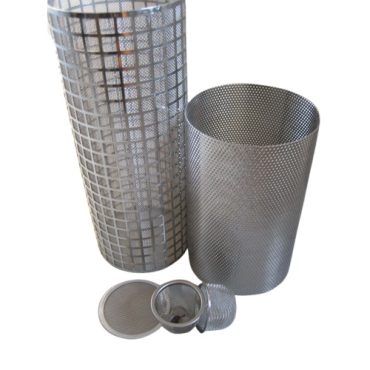
Mesh/Net Sleeves

Hybrid designs with fabric-like netting for maximum resin penetration in highly porous materials.

Pre-Cut vs. Continuous Meter-Length Options

Pre-cut sleeves (e.g., 50 mm, 85 mm, 130 mm) suit standard depths; continuous rolls save time on custom projects.

Popular Sizes and Matching Guide

Common dimensions include:
12 × 50 mm or 12 × 80 mm (for M8–M10 rods)
16 × 85 mm or 16 × 130 mm (for M10–M12 rods)
20 × 85 mm or 20 × 130 mm (for M12–M16 rods)
Pre-cut sleeves (e.g., 50 mm, 85 mm, 130 mm) suit standard depths; continuous rolls save time on custom projects.

Always match sleeve diameter to your drill bit and threaded rod size.

Real-World Applications of Perforated Sleeves

  • Fixing handrails, brackets, and signage to hollow block walls
  • Installing shelving or HVAC supports in perforated brick buildings
  • Seismic retrofitting and facade attachments
  • Heavy-duty rebar doweling in lightweight concrete
  • Electrical and plumbing conduit supports

They’re the go-to choice wherever expansion anchors risk cracking the substrate.

Perforated Sleeves vs. Traditional Anchors

Mechanical sleeve anchors and drop-in anchors expand and can damage hollow materials. Perforated chemical sleeves bond chemically without pressure—safer, stronger, and more versatile in modern masonry.

Get Precision-Engineered Perforated Sleeves for Your Application

Engineered to meet demanding environments with precision perforation and durable materials.

Get A Custom Quote !

Perforated Sleeves FAQs: Everything You Need to Know

Perforated sleeves act as a support structure for filter media while allowing controlled fluid flow and preventing large particles from passing through.

Stainless steel (SS 304/316) is the most preferred due to its corrosion resistance, durability, and suitability for harsh environments.

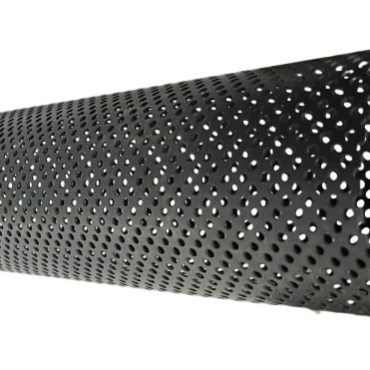
Hole size depends on the particle size to be filtered and the required flow rate. Smaller holes provide finer filtration, while larger holes allow higher flow.

Yes, they can be fully customized in terms of diameter, thickness, hole pattern, material, and length to match specific industrial requirements.

Industries such as oil & gas, water treatment, chemical processing, food production, and pharmaceuticals widely use perforated sleeves.