Rod Reinforced Conveyor Belts

Rod Reinforced Conveyor Belts: Engineered Strength for Demanding Industrial Environments

Ultra-Stable Rod Reinforced Belts for High-Load Conveying

Rod reinforced conveyor belts stand out as one of the toughest wire mesh solutions available today. Built specifically for operations where standard belts fail under heat, weight, or continuous stress, these reinforced rod mesh conveyor belts combine a classic spiral weave with strategic cross rods that lock everything together.
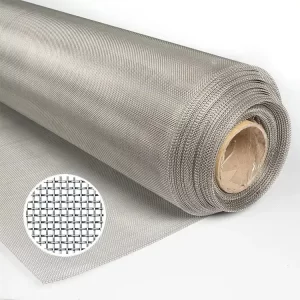
Whether you call them rod reinforced conveyor belts, reinforced rod wire belts, or high-strength spiral mesh conveyors, the result is the same: a belt that handles extreme conditions without stretching, shrinking, or breaking down.
Businesses in manufacturing, food production, and metal processing rely on these belts because they deliver consistent performance where ordinary conveyor systems simply can’t keep up.

What Are Rod Reinforced Conveyor Belts?

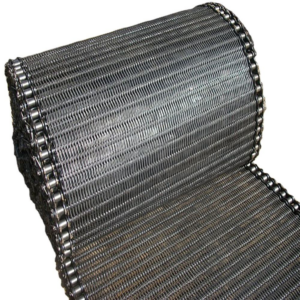
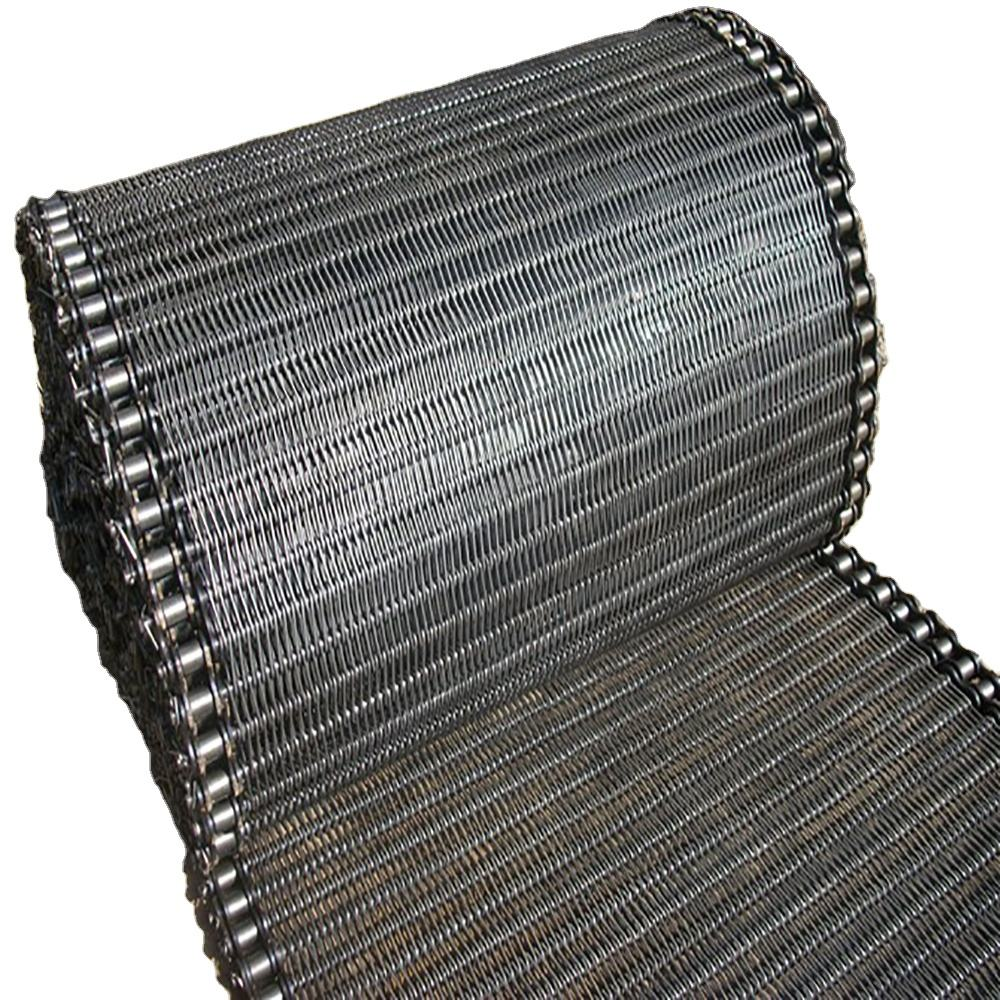
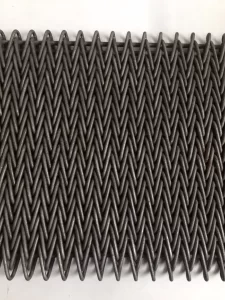
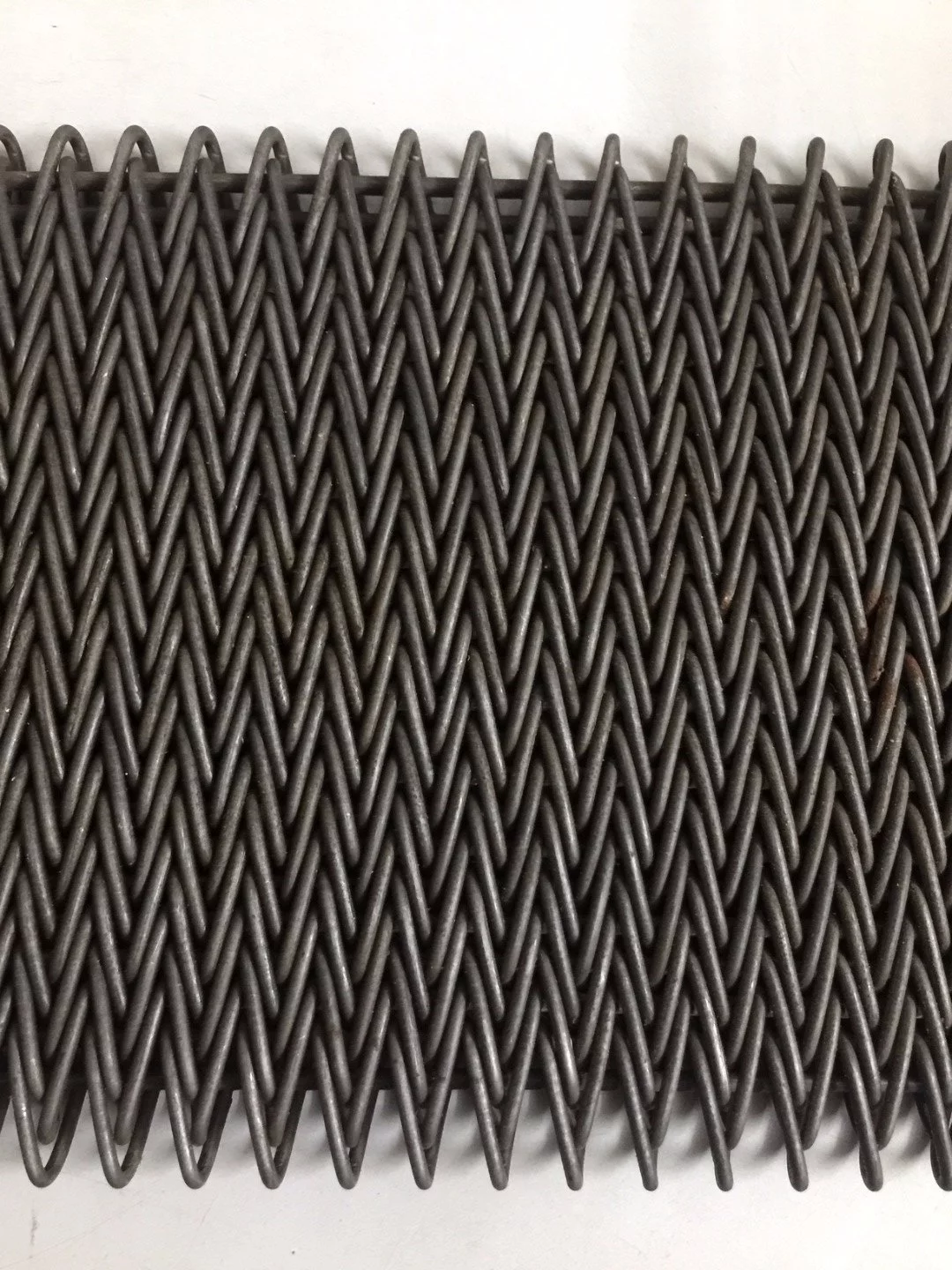
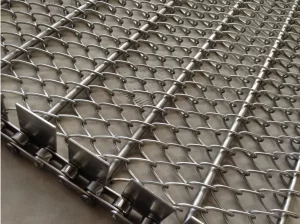
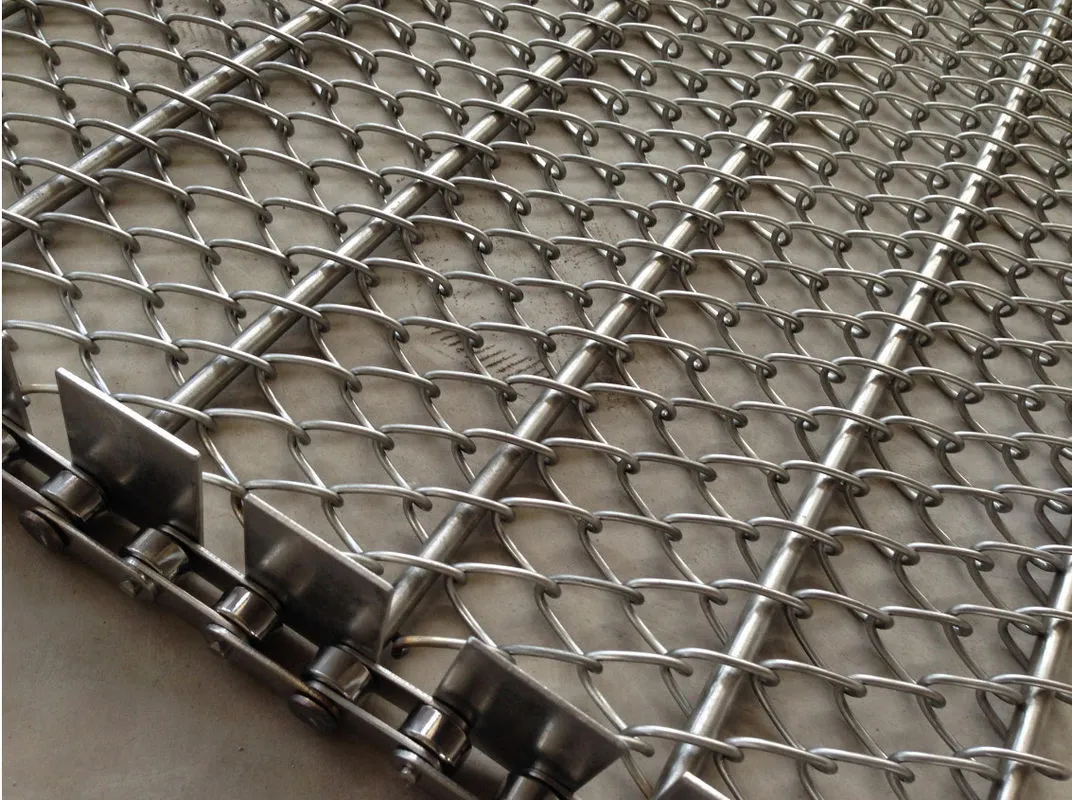
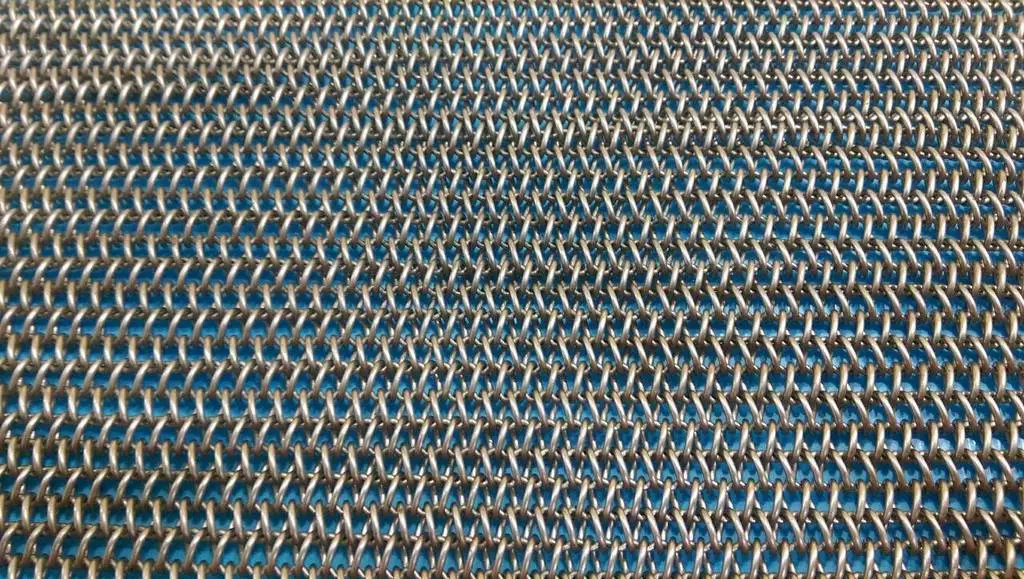
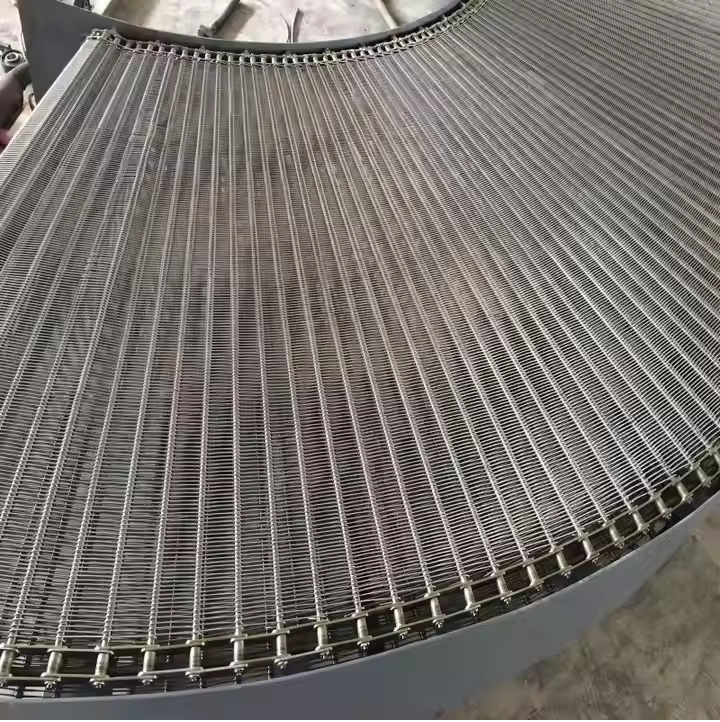
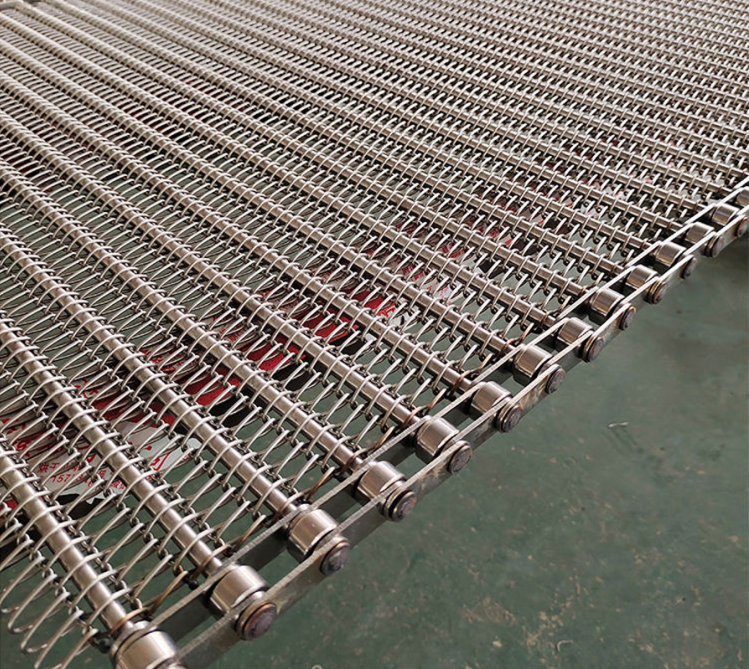
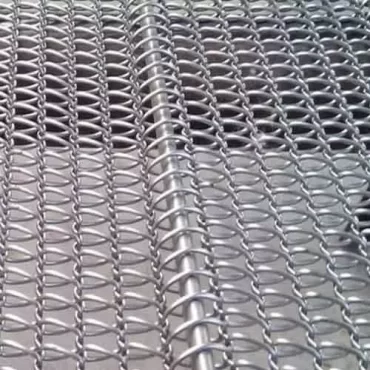
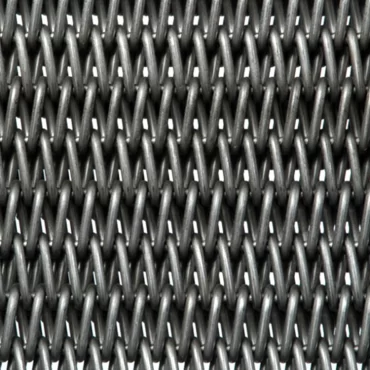
Rod reinforced conveyor belts are a specialized type of metal wire mesh conveyor belt. They start with elongated spiral wires woven in the same direction, then gain extra rigidity when straight cross rods are inserted directly through the spiral intersections (often called the “bite” of the spirals).
This simple but powerful addition transforms a flexible conventional weave into a high-performance, low-elongation belt. The design creates a stable, open-mesh structure that allows excellent airflow and drainage while supporting heavy loads at elevated temperatures.
Unlike basic chain-link or flat-flex belts, the added rods prevent width shrinkage and maintain shape even under heavy product loads or prolonged exposure to heat.

Construction and Design of Rod Reinforced Wire Mesh Belts

The core of every rod reinforced conveyor belt lies in its unique build:
Spiral Wires: Elongated, same-direction spirals form the base overlay.
Cross Rod Reinforcement: Straight rods pass through every spiral intersection, locking the structure for maximum stability.
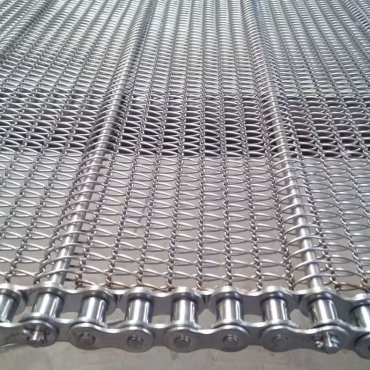
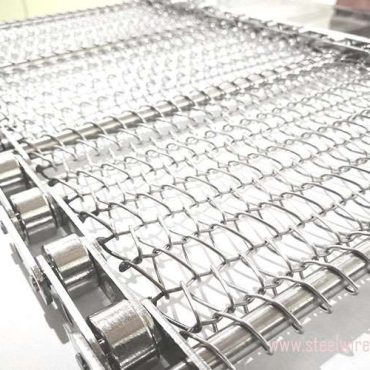
Edge Options: Available with welded, looped, or U-shaped edges depending on the application and drive system.
Drive Compatibility: Works seamlessly with sprockets for positive, non-slip tracking.

Variants include single-spiral (RR) and double-spiral (RRW) jointing styles, plus options for single or double rod reinforcement to match load requirements. The open mesh design promotes superior air circulation, making these belts ideal for both straight-line and spiral conveyor layouts.

Key Benefits and Advantages of Rod Reinforced Conveyor Belts

Exceptional Tensile Strength: Handles heavy loads without deformation.
Minimal Stretch and Shrinkage: Maintains exact width and length even at high operating temperatures.
High Allowable Tension: Supports significantly heavier products than standard wire belts.
Excellent Thermal Stability: Performs reliably from sub-zero freezing tunnels to 1,000°F+ heat-treatment lines.
Open Area for Efficiency: Promotes fast cooling, drying, draining, or heating of products.
Low Maintenance & Easy Cleaning: Smooth surfaces and open mesh reduce buildup and simplify sanitation.
Long Service Life: Corrosion-resistant materials and rugged construction cut replacement frequency.

These advantages make rod reinforced conveyor belts the go-to choice when downtime is expensive and reliability is non-negotiable.

Tensile Strength vs. Conventional Weave Belts

Adding the cross rods dramatically increases load-carrying capacity and eliminates the sagging or narrowing common in unreinforced spiral belts.

Temperature Resistance

Engineered materials keep the belt stable where plastic or lighter metal belts would warp or fail.

Primary Applications and Industries for Rod Reinforced Conveyor Belts

Rod reinforced conveyor belts excel in environments that demand both strength and precision:


Heat Treatment & Metal Processing: Annealing furnaces, hardening lines, and continuous heat-treating of metal parts.
Food Processing: Baking ovens, cooling tunnels, freezing spirals, frying lines, glazing, enrobing, and chocolate coating systems.
Glass & Chemical Manufacturing: High-temperature drying and processing equipment.
Packaging & Wrapping Lines: Stable transport of heavy or hot packages.
Foundry & Forging Operations: Handling hot castings and metal components.
Pharmaceutical & Clean-Room Applications: Food-grade stainless versions meet strict hygiene standards.
From continuous baking machinery to heavy-duty annealing facilities, these belts keep production moving smoothly under the harshest conditions.

Materials Used in High-Performance Rod Reinforced Belts

Manufacturers select premium alloys to match exact operating needs:

Stainless Steel Grades: SUS 304 (general purpose), SUS 316 (corrosion-resistant), SUS 310S & 314 (extreme high-temperature resistance).
Carbon Steel & Specialty Alloys: For cost-sensitive or ultra-high-heat applications.
Food-Grade Certified Options: Fully compliant with hygiene regulations for direct food contact.

Every material choice balances strength, corrosion resistance, temperature tolerance, and budget. Custom combinations are available for specialized environments.

Specifications and Customization Options

Rod reinforced conveyor belts are fully customizable to fit your exact system:
Wire Gauges & Rod Diameters: From light-duty to extra-heavy reinforcement.
Pitch & Mesh Opening: Optimized for product size, airflow, or drainage.
Belt Widths: From narrow lines to extra-wide industrial setups.
Edge Styles & Drive Features: Sprocket-driven, friction-driven, or guided options.
Special Coatings: For additional wear or release properties.

Whether you need a standard off-the-shelf rod reinforced belt or a fully engineered solution, precise specifications ensure perfect fit and maximum performance.

Rod Reinforced Conveyor Belts vs. Other Metal Conveyor Belt Types

FeatureRod Reinforced BeltsStandard Chain LinkFlexible Rod BeltsHeavy-Duty Eye-Flex
Tensile StrengthVery HighMediumHighHighest
Stretch at High TempMinimalNoticeableLowVery Low
Load CapacityHeavyLight-MediumMediumExtra Heavy
Best ForHeat + Heavy LoadsLight ProductsSpiral CurvesExtreme Impact
Airflow / DrainageExcellentGoodExcellentModerate

Maintenance Tips to Maximize Belt Life

Proper care keeps rod reinforced conveyor belts running for years:

  • Schedule regular tension checks and sprocket alignment.
  • Clean with high-pressure wash or approved sanitizers between shifts.
  • Inspect rods and spirals for wear during routine downtime.
  • Store spare belts flat and protected from moisture.
  • Simple preventive steps dramatically extend service intervals and reduce total cost of ownership.
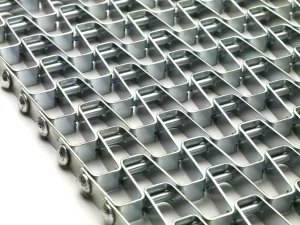
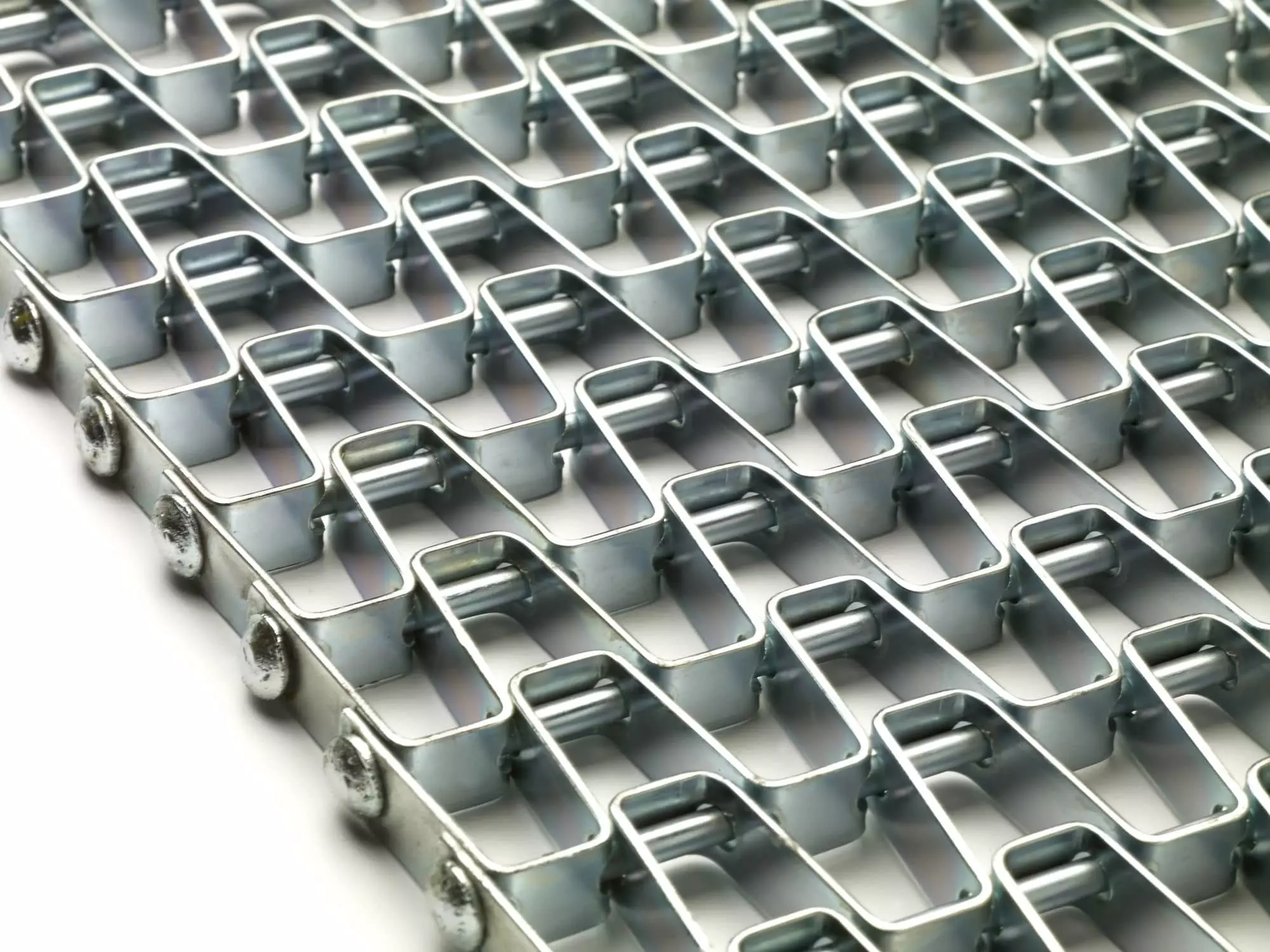
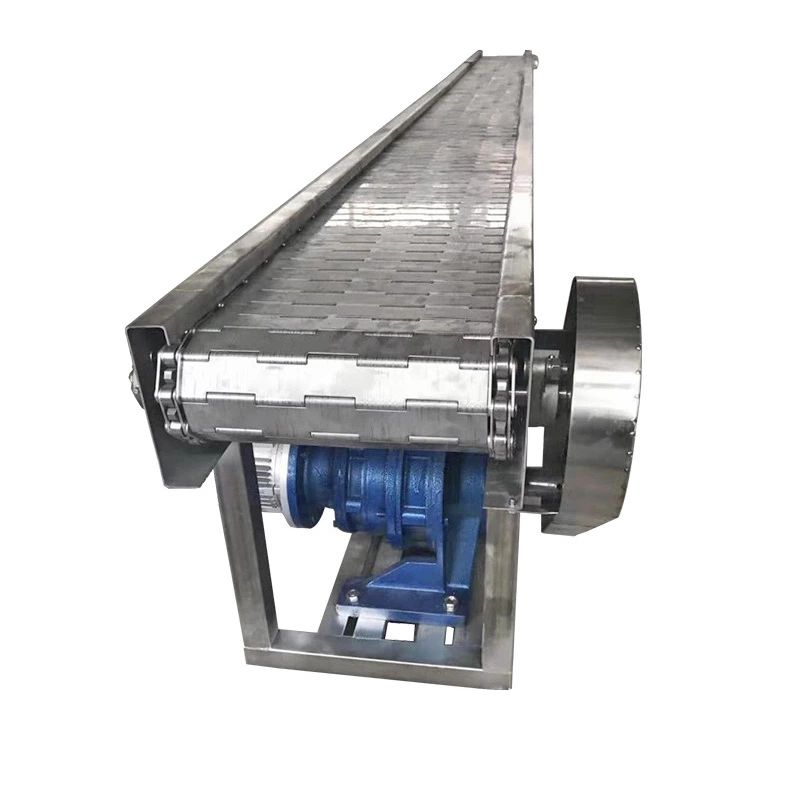
Rod Reinforced Chain Link Belts
Rod reinforced conveyor belt
Rod Reinforced Weave Wire Mesh Conveyor Belts
Rod Reinforced Conveyor Belts Manufacturers

Ready to Upgrade your conveying performance?

High-strength, heat-resistant rod reinforced conveyor belts tailored to your application. Contact our experts today for fast response, technical support, and competitive pricing.

Get A Custom Quote For Rod Reinforced Conveyor Belts
You May Also Like:

FAQs - Rod Reinforced Conveyor Belts

A rod reinforced conveyor belt is a spiral-woven wire mesh belt strengthened by straight cross rods inserted through the spiral intersections. This design delivers far higher tensile strength and prevents width shrinkage compared with unreinforced conventional or chain-link belts.

They offer exceptional load capacity, minimal stretch at high temperatures, excellent airflow, low maintenance, and long service life—making them ideal for heavy-duty or high-heat applications where other belts fail quickly.

Primary sectors include metal heat treatment, food baking and freezing, glass manufacturing, chemical processing, foundries, and high-temperature packaging lines.

Yes. Manufactured from high-grade stainless steels such as 310S and 314, these belts operate reliably from sub-zero conditions to well over 1,000°F without losing structural integrity.

Absolutely. Food-grade stainless steel versions meet strict hygiene standards and are widely used in baking, cooling, freezing, and coating lines.